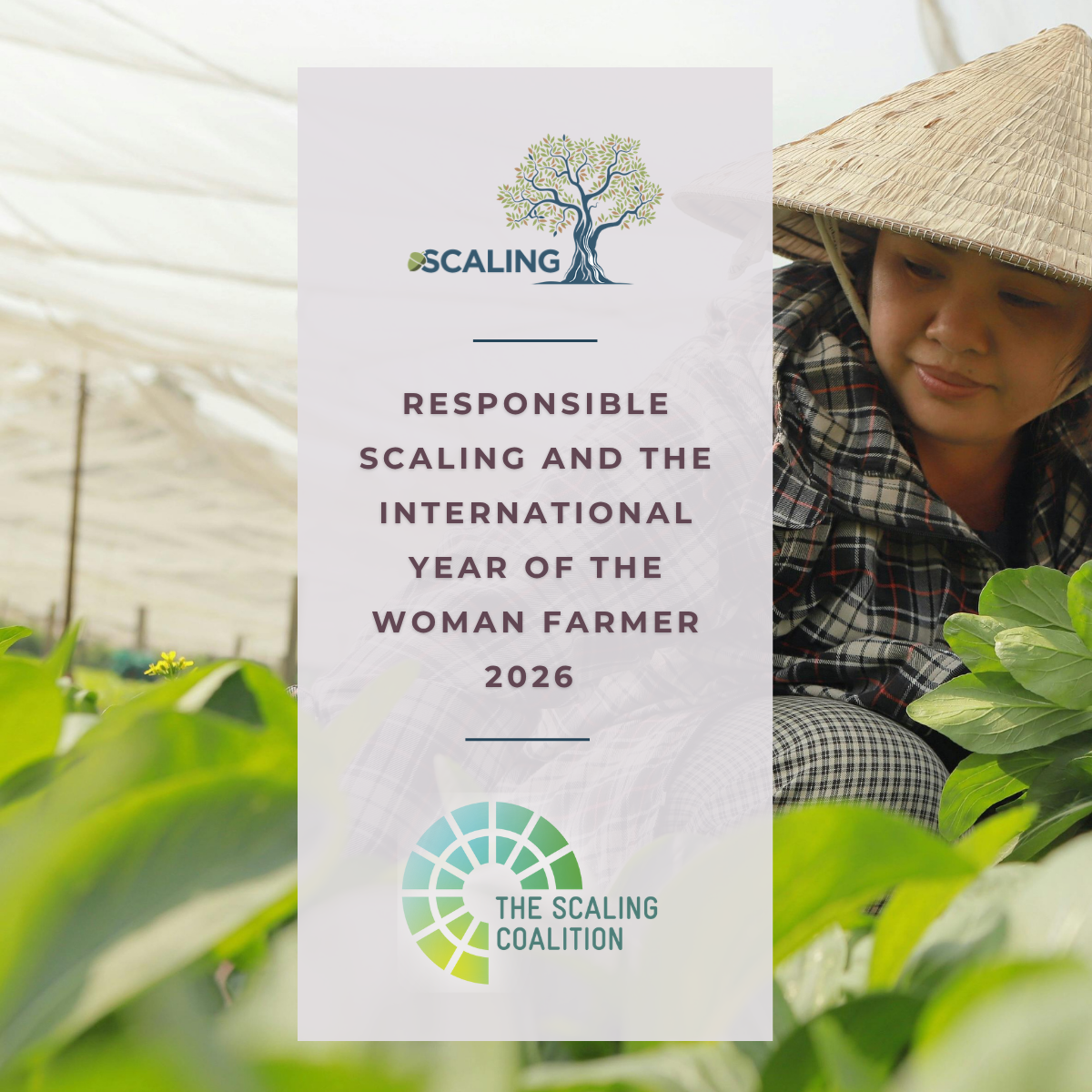
Scaling is about addressing a meaningful share of today’s global challenges and changing the lives of millions or billions of people, not just hundreds. But, as interventions grow, so do their unintended consequences. The barriers women farmers already face, including unequal access to land and finance, heavier labor and care burdens, and limited voice in decision-making, can quietly push them to the margins.
Responsible scaling takes these risks seriously. It means anticipating and managing social, environmental, and other consequences from the start, so that scaling stays inclusive, equitable, sustainable, and responsive to changing contexts. It also means being honest that reaching the most vulnerable and achieving impact at scale can pull in different directions.
In support of the UN’s International Year of the Woman Farmer 2026, the SCoP will host a webinar exploring how responsible scaling can help ensure women are not left behind. Moving beyond “How do we scale?”, the session will ask: Who benefits? Who may be excluded or harmed? And how can scaling pathways be designed to address these risks?
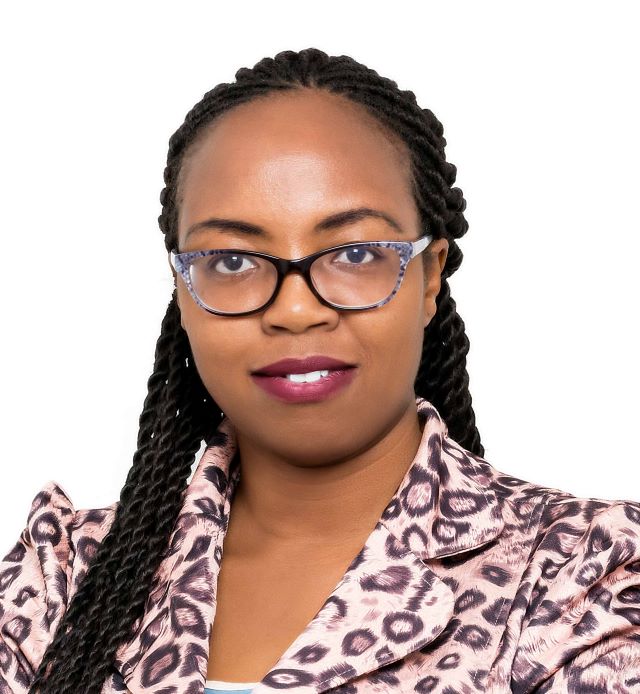
Esther Kihoro
Researcher, Science and Practice of Scaling
CGIAR
Bio
Esther Kihoro is a recognised researcher and scaling practitioner with over 15 years of experience in agriculture, gender, climate change, and rural development. Her work focuses on translating research into impact by strengthening systems, partnerships, and capacities for scaling innovations across agri-food systems in the Global South.
At the CGIAR Impact at Scale Platform hosted at ILRI, Esther leads the Scaling Fund, which supports innovation teams to design, test, and implement robust scaling strategies through targeted funding, technical backstopping, and learning. The Fund also serves as a living laboratory, generating empirical insights that feed into the Science of Scaling—advancing CGIAR’s understanding of how scaling can be achieved responsibly, inclusively, and efficiently.
Esther has been instrumental in building the Science and Practice of Scaling collaboration between CGIAR and Wageningen University, and in growing a vibrant science of scaling community within and beyond CGIAR. She fosters joint research, capacity development, and institutional learning, while mentoring the next generation of scaling experts. Her work also advises programs and partners on responsible scaling approaches, and she has led multi-country initiatives embedding scaling principles into research and innovation systems.
A strong advocate for systems thinking and co-learning, Esther’s work bridges research, policy, and practice—helping shape how scaling science informs global efforts toward sustainable agricultural transformation and impact at scale. She holds a PhD in Knowledge Technology and Innovations from Wageningen University and Research.
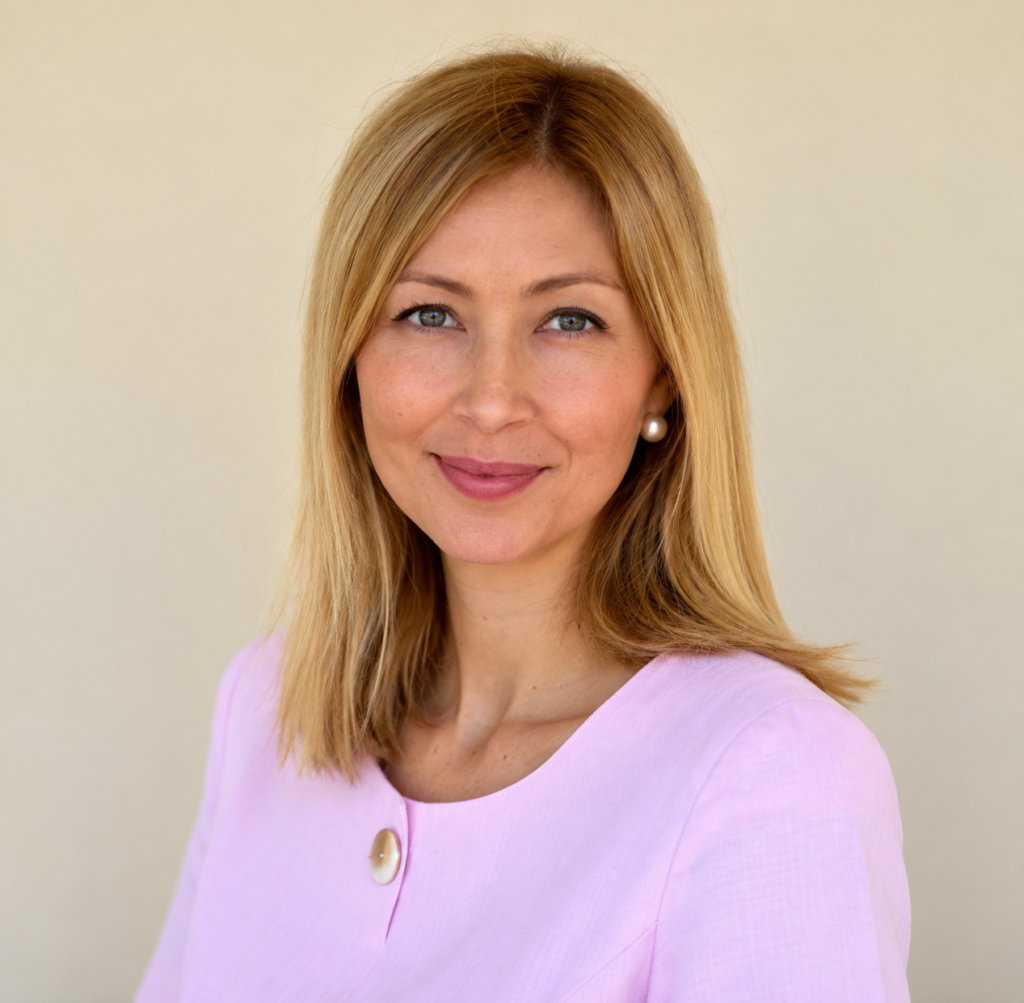
Andrea Sánchez Enciso
Gender Specialist and Lead for Community Engagement (Dimitra Clubs)
FAO
Bio
Andrea Sánchez Enciso is a Gender Equality and Community Engagement Specialist at the Food and Agriculture Organization of the United Nations (FAO), where she leads the global Dimitra Clubs approach, a community-led, gender-transformative initiative.
With over 14 years of experience in international development, she specializes in gender equality, social inclusion, community engagement and social and behavioural change. She provides technical guidance and capacity development support to FAO teams, government institutions, local partners and producer organizations to facilitate community-led empowerment processes and integrate participatory, gender-transformative approaches into rural development programmes.
Her work emphasizes creating enabling conditions for rural women, men and youth to strengthen their agency, critically reflect on discriminatory social norms and drive change within their communities. She holds an Executive Master’s in Behavioural Science from the London School of Economics and Political Science (LSE).
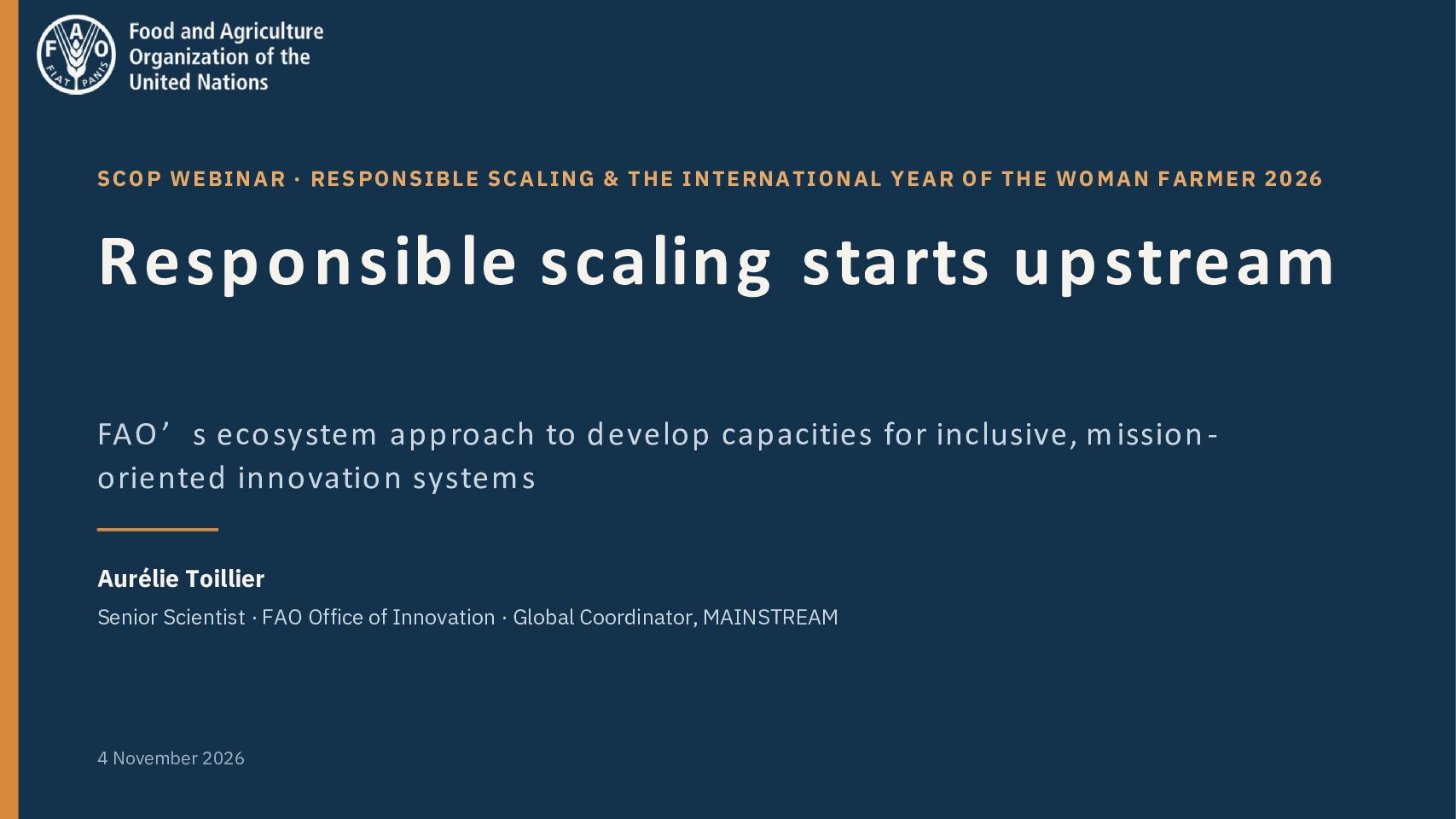
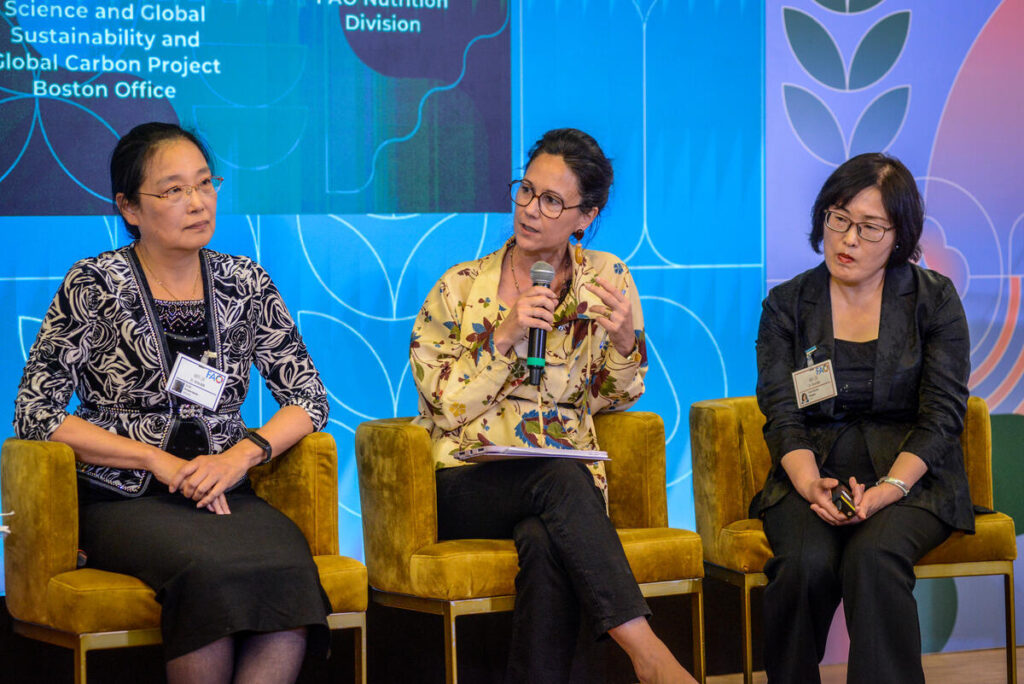
Aurélie Toillier
Senior Scientist, Management Sciences
CIRAD
Bio
Aurélie Toillier is a senior scientist in management sciences at CIRAD (the French Agricultural Research Centre for International Development), seconded since 2019 to FAO’s Office of Innovation, where she co-leads the unit on Policies and Capacities for Innovation Systems. She coordinates MAINSTREAM (2025–2030), an EU-funded initiative supporting agroecological transitions and the scaling of community-driven innovations in sub-Saharan Africa. Over 20 years – 15 based in Africa – her research has combined participatory action-research, capacity development, and strategic engagement to advance more open, inclusive and responsible approaches to agrifood innovation. She holds a PhD in Environmental Sciences and has authored over 120 peer-reviewed publications.
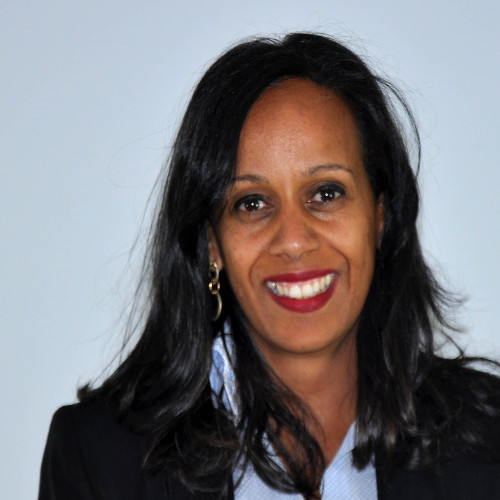
Seblewongel Deneke Negussie
Gender Policy Specialist
Green Climate Fund
Bio
Seblewongel Deneke Negussie brings over two decades of multifaceted expertise in gender equality and women’s empowerment across diverse development sectors. As a gender Policy Specialist at the Green Climate Fund, she led the adoption of the updated gender policy and contributed to the development gender action plan 2026-2031, driving gender and inclusive adaptation and mitigation investments globally.
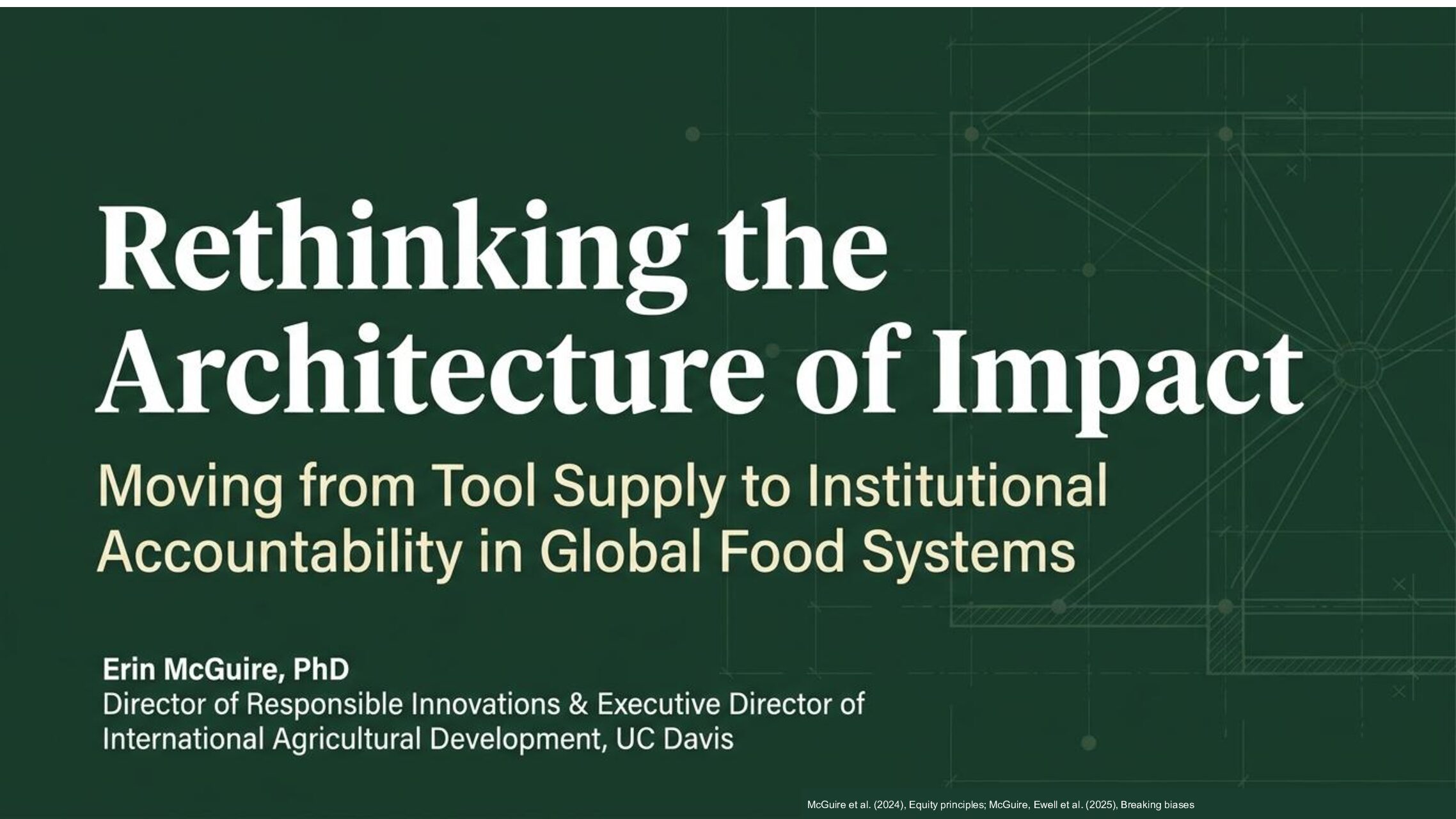
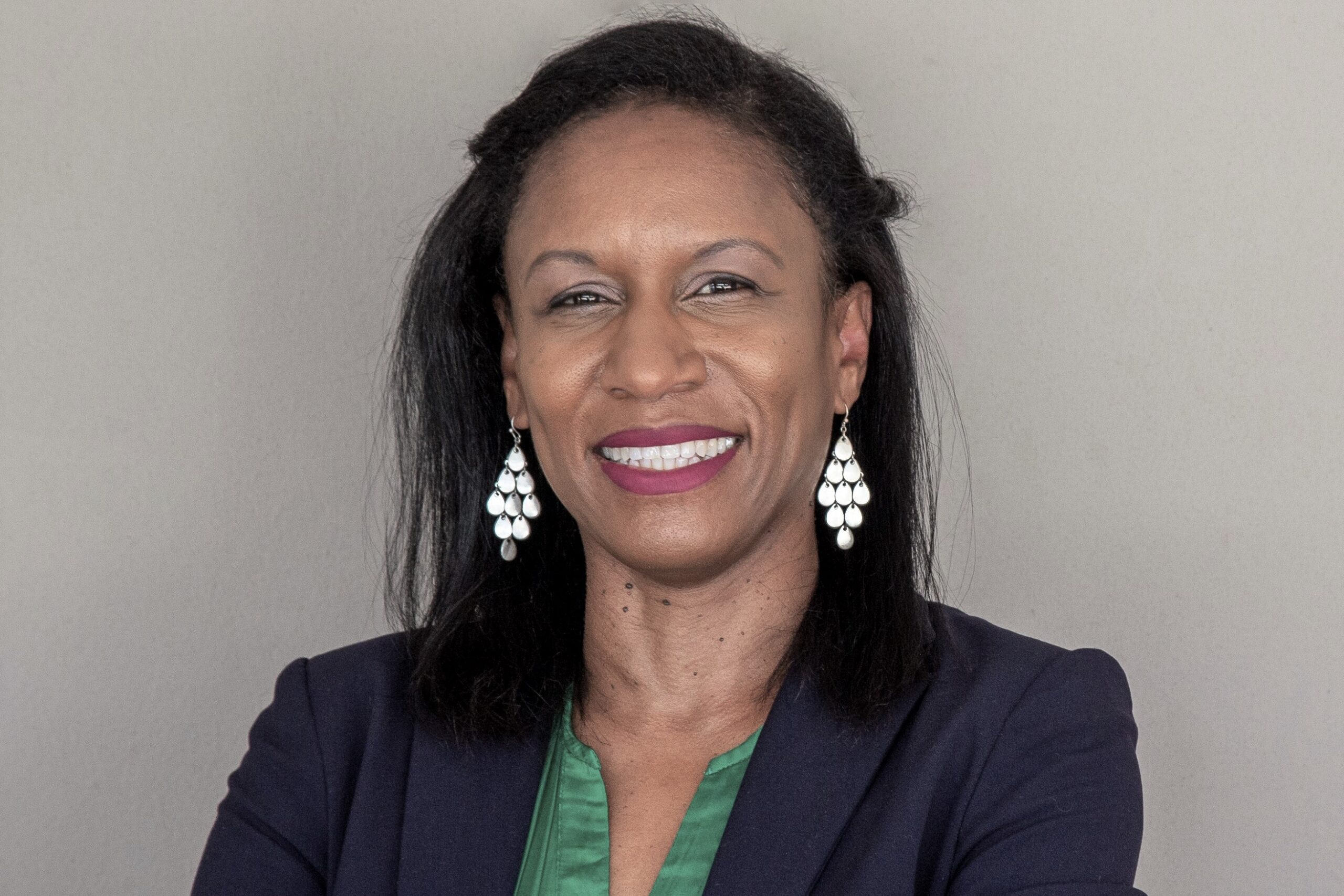
Erin McGuire
Executive Director of the International Agricultural Development (IAD) Program at UC Davis & Founder and Director of Responsible Innovations
Bio
Erin McGuire, Ph.D., is Executive Director of the International Agricultural Development (IAD) Program at UC Davis and Founder and Director of Responsible Innovations, a network of scientists focused on equitable innovation and scaling in food systems. She co-developed GenderUp with CGIAR and Wageningen University, a method for anticipating social differentiation and unintended consequences in scaling, and has trained more than 150 facilitators in its use. She leads the CGIAR Community of Practice on Responsible and Inclusive Scaling and has advised CGIAR on responsible scaling.
Charlotte Coogan
Director
The Scaling Community of Practice
Bio
Charlotte has a small, independent consulting firm where she strives to use the most rigorous possible methods to answer decision-relevant questions for actors in the international development space through a collaborative approach to research. She tries to serve as a bridge between the vast evidence base on food security and nutrition topics and the actionable needs of specific stakeholders. She has a decade of experience in international development and a PhD in Nutritional Epidemiology from the University of North Carolina at Chapel Hill.
Presentations
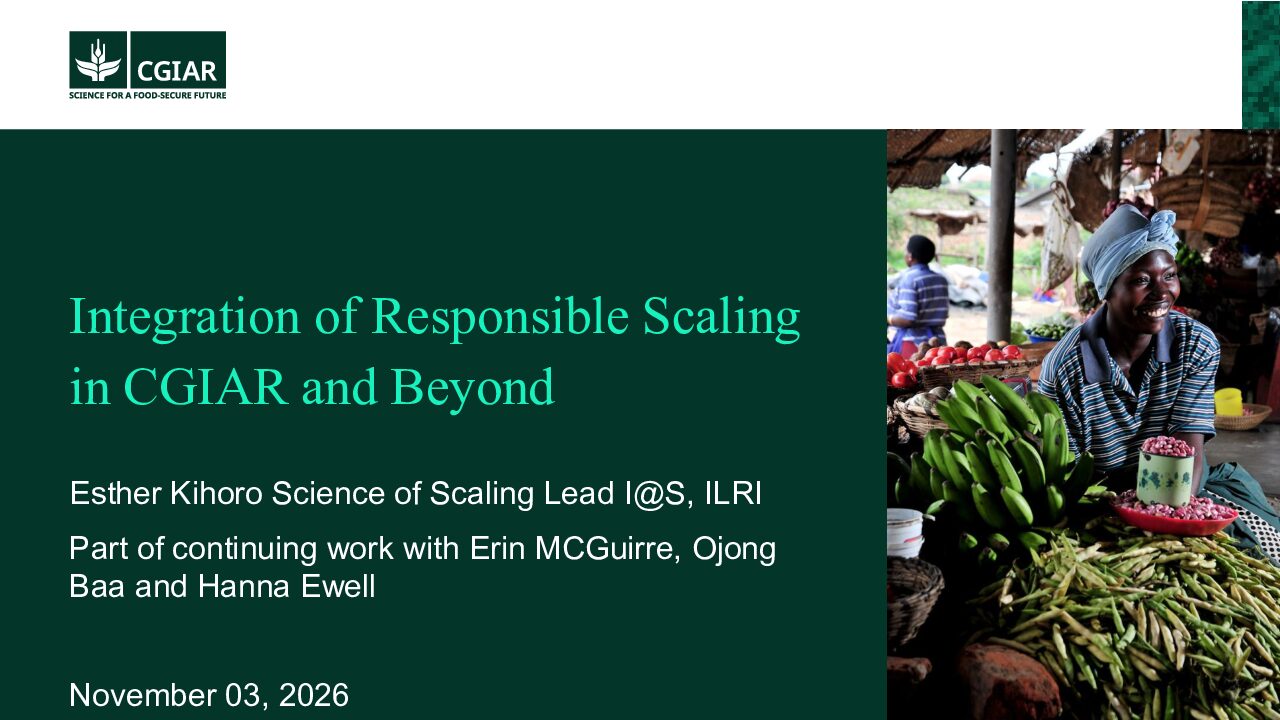
Integration of Responsible Scaling
Responsible scaling starts upstream
Rethinking the Architecture of Impact
Relevant Links
from Responsible Innovations
Responsible & Inclusive Scaling CoP
Learn how gender equality and social inclusion can strengthen scaling efforts. Join a growing community advancing responsible and inclusive scaling in practice.