How a research-for-development project in semi-arid Tunisia is showing that lasting agroecological transformation can be achieved in just 18 months if you co-design for it. A persistent gap remains in agricultural development between the knowledge produced by research and the practical experience of farmers. Technologies are disseminated, projects are terminated and minor alterations are observed, but farmer’s everyday realities do not meaningfully change. The fundamental question that underpins a significant proportion of the most rigorous research in the domain of ...
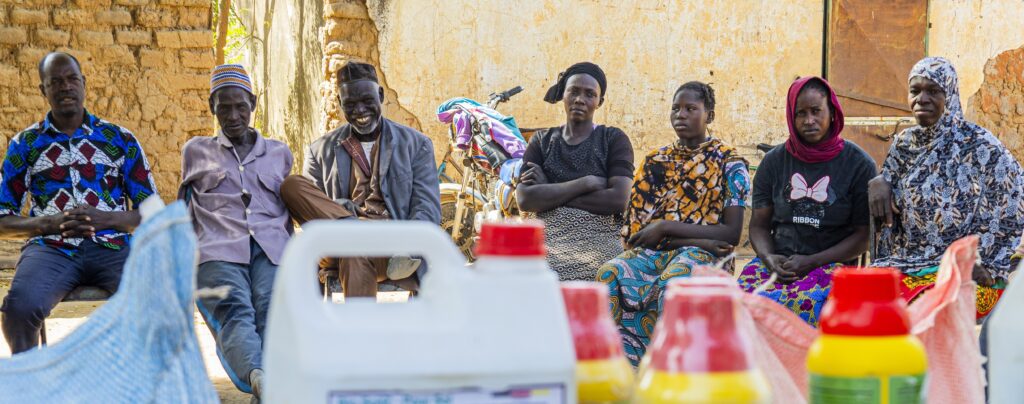
For decades, the “last-mile” agricultural challenge in West Africa has been framed as a problem of poor infrastructure or farmer poverty. However, research conducted by the Village Input Fair Fund (VIFF) suggests a more structural diagnosis: a timing mismatch and a coordination failure could prevent rural markets from functioning. Farmers typically have liquidity immediately following the harvest, yet they are often forced to wait until the planting season, when cash is scarce, to purchase seeds and fertilizers. Simultaneously, private agro-dealers ...
Meet the Scaling Coalition: A new mechanism for tackling shared problems in scaling agrifood innovations in the Global South On 23 April 2026, the Agriculture, Rural Development and Social Enterprises (ARDSE) Working Group of the Scaling Community of Practice (SCoP) hosted a "Meet the Scaling Coalition" session as part of the SCoP Annual Forum. The session introduced this newish partnership to ARDSE's roughly 1,000 members, explained how it works, and invited participants to get involved. What the Coalition is working ...
Session Blurb Speakers Recording Additional Resources You are invited to join the Scaling Coalition team for an interactive webinar exploring how we are uniting partners globally to address the collective scaling challenges that prevent proven agrifood innovations from reaching all those who need them most. Whether you are already engaged in the Coalition or learning about it for the first time, this session will provide practical insights on how to get involved.Webinar ObjectivesUnderstand the Scaling Coalition: A deeper dive into the ...
Session Blurb Speakers Recording Additional Resources Scaling challenges are increasingly recognized as complex, systemic, and rarely solvable by single actors or linear approaches. As a result, development organizations are moving away from viewing scaling as a process of simple expansion or replication, and toward acknowledging that many scaling challenges require multiple organizations working together, through diverse and complementary pathways, to achieve durable impact.Within contemporary development discourse, scaling has evolved beyond notions of reach or growth to encompass how interventions, practices, ...
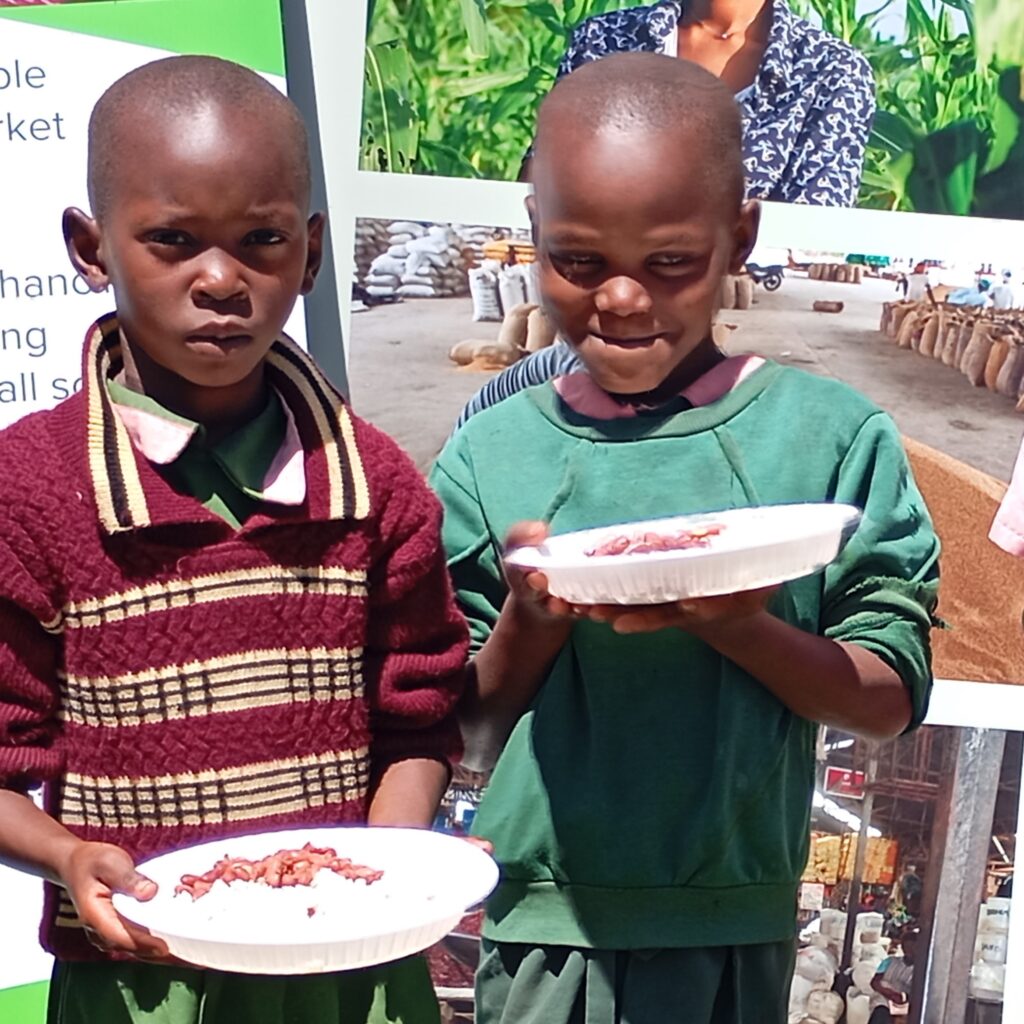
Over 2.5 billion people can’t afford a healthy diet. Over half of all children and two out of three women globally are deficient in the essential micronutrients they need to thrive—affording nutritious foods is out of reach for many. For more than two decades, biofortification has proven to be a cost-effective, food-based solution to address hidden hunger. Scaling has gained momentum and millions of farming households and consumers in non-farming households globally, are now growing and eating biofortified foods, making ...