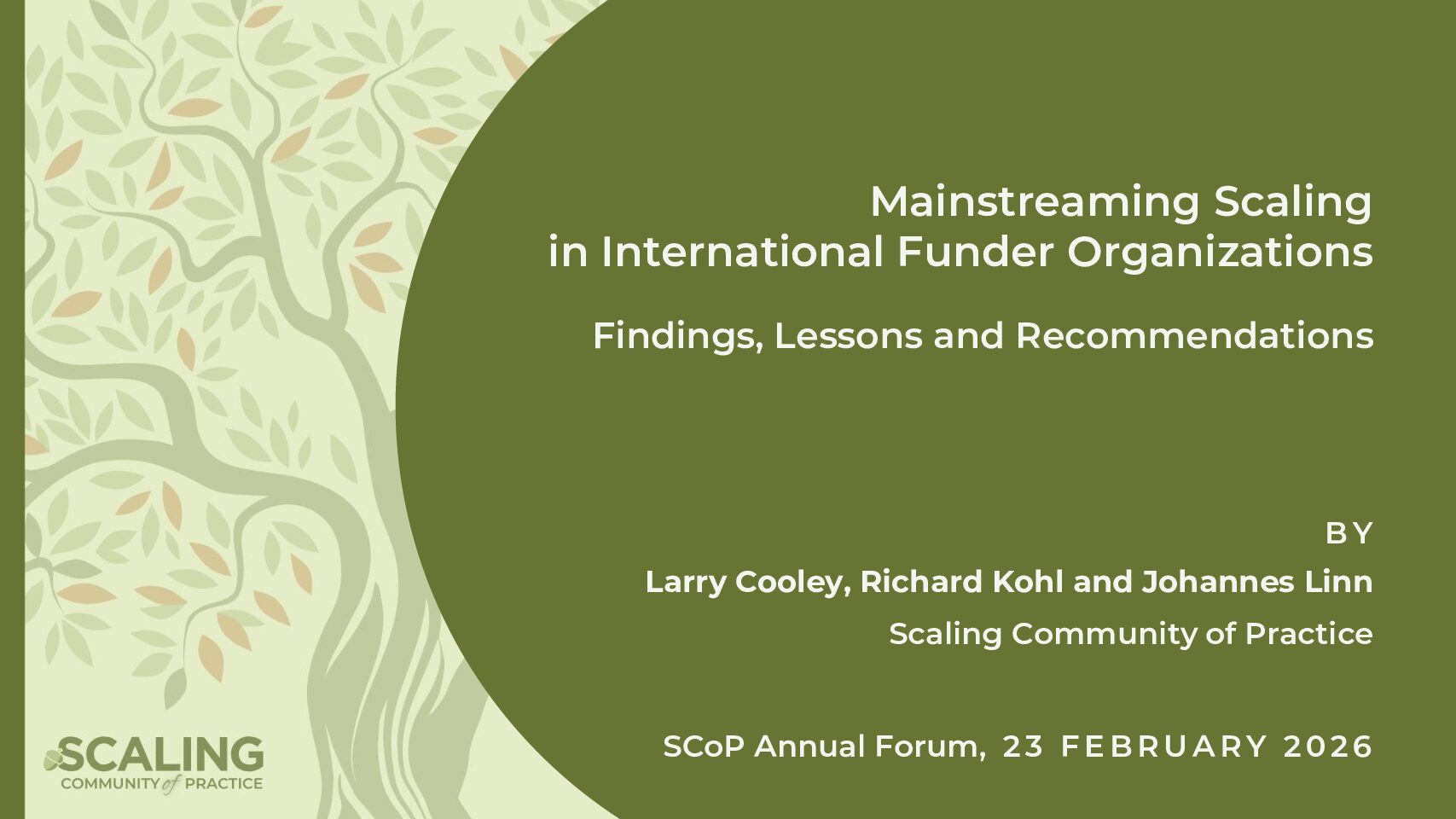
Plenary Session 1 will launch the Synthesis Report and Policy Brief for the Scaling Community’s Initiative on Mainstreaming Scaling in Funder Organizations with a presentation and discussion of major findings and lessons. Under this Initiative, 28 case studies were prepared by and for a wide range of international funder organizations supporting development and climate action.
The Session will explore (i) why it matters that funders support a systematic scaling process and how recipients see the funders’ role; (ii) what are good – i.e., transformational – scaling practices that funders should support; (iii) how funders have pursued the mainstreaming of scaling into their own operational practices; and (iv) what are the lessons for funders who wish to mainstream scaling.
A panel of seasoned experts and practitioners will share their reactions to the findings of this important Initiative and will discuss how the lessons can best be implemented for maximum benefit in terms of lasting impact at scale. Participants will then be invited to share their views. The session will close by highlighting how this Initiative leads up to and underpins the Scaling Community’s Scaling Campaign 2026-2030.
The first plenary presented the findings of the SCoP’s three-year initiative on Mainstreaming Scaling in Funder Organizations. This landmark action-research effort examined how 28 funder organizations integrated scaling into their strategies, operations, and incentive systems. The organizations considered spanned multilateral development banks, bilateral official funders, vertical funds, international non-governmental organizations, and foundations. Co-chairs Larry Cooley and Johannes Linn presented the key findings in the final Synthesis Report and Policy Brief, then handed the conversation to a panel moderated by Ben Kumpf of the OECD, featuring Karlee Silver (Grand Challenges Canada), Natalia Borrero (Fundación Corona), Jeff Bradach (advisor and co-founder of Bridgespan), and Homi Kharas (Brookings).
The headline finding was uneven progress: scaling has become a topic of growing interest, but the needle is moving too slowly. Funders are active across all stages of the scaling pathway, but there is no systematic handoff between those funding early-stage innovation and those with the capacity to support scale-up. As Johannes put it, many promising initiatives are simply left to languish and never reach the populations that need them.
What emerged from the panel was less a debate about the findings and more a collective reckoning with why so little has changed despite so much being already known. Jeff Bradach referred to it as a “knowing-doing gap“, where funders say the right things about systems change and then behave in wholly transactional ways. Homi Kharas said the distinction between transactional and transformational scaling was the most salient insight from the research, not because it was new, but because seeing it documented so clearly made it harder to ignore. Karlee Silver offered a telling illustration from her own experience: one of her performance objectives had literally been to “solve early child development scaling.” This example demonstrates how even well-intentioned organizations can encode unrealistic accountability mechanisms that undermine the collaboration scaling requires. Building on this, Natalia Borrero offered a quiet provocation: why is Fundación Corona’s funding model, leveraging grants 7:1 through partnership to facilitate scaling, not the norm?
The Mainstreaming Initiative’s findings directly inform the Scaling Campaign 2026–2030, which aims to translate these hard-won lessons into concrete action across the global development and climate ecosystem (see next section for more).

LARRY COOLEY
Larry Cooley is Founder and President Emeritus of Management Systems International and a specialist in managing large system change. He currently serves as Chair of the Governing Council of the Society for International Development and is the author of widely used methodologies for managing policy change, scaling innovation, entrepreneurship development, and results-based management. Larry is an elected Fellow of the U.S. National Academy of Public Administration and a non-resident senior fellow at the Brookings Institution; a Trustee of Elma Philanthropies; founder and co-curator of the Global Community of Practice on Scaling Development Outcomes, and Co-Chair of its Working Group on Monitoring and Evaluation

JOHANNES LINN
Johannes F. Linn is a Non-resident Senior Fellow at the Brookings Institution, a Distinguished Resident Scholar at the Emerging Markets Forum in Washington, D.C., a Senior Fellow at the Results for Development Institute and a Senior Research Fellow at the International Initiative for Impact Evaluation. He is co-founder and co-chair of the international Scaling Community of Practice. He currently serves as Global Facilitator for the Systematic Observation Financing Facility (SOFF) of the World Meteorological Organization (WMO). From 2005-2010 he was Director of the Wolfensohn Center for Development at the Brookings Institution in Washington, DC. Before that, he worked for three decades at the World Bank, including as Vice President for Financial Policy and Resource Mobilization and as Vice President for Europe and Central Asia. He holds a bachelor degree from Oxford University and a doctorate in economics from Cornell University.

BENJAMIN KUMPF
Benjamin Kumpf is the Head of the OECD Innovation for Development Facility. Prior to joining the OECD, he worked as Head of Innovation at the UK Foreign, Commonwealth and Development Office and led the Innovation Facility of the United Nations Development Programme. In these capacities, Benjamin managed flexible funds to support experimentation, exploration and the scaling-up of development innovations, co-led programmes on adaptive management and advised country offices and partners on strategic innovation. Past posts include work with UN Volunteers, with the German Agency for International Cooperation (GIZ), the International Agricultural Research Institute for the Semi-Arid Tropics and others in India, Jordan, Nepal and Rwanda.
He is a member of several advisory bodies to advance innovation in the development and humanitarian sectors, and teaches as Adjunct Professor at Columbia University, New York and SciencesPo, Paris.

KARLEE SILVER
Karlee Silver is Chief Executive Officer for Grand Challenges Canada. She is a mission-driven leader committed to addressing inequity through innovation, powershifting and partnerships. Dr. Silver is an active member of the Grand Challenge network and the International Development Innovation Alliance. Dr. Silver has been with Grand Challenges Canada since it launched, and led the process of selecting the organization’s prioritized grand challenges. Holding various roles, she set has strategy for global health, development and humanitarian innovation initiatives, and enabled the GCC team to source, support and transition to scale promising innovations for social impact in low- and middle-income countries. Dr. Silver received her doctorate from the University of Oxford, where she attended as a Rhodes Scholar and trained in genetics and immunology.
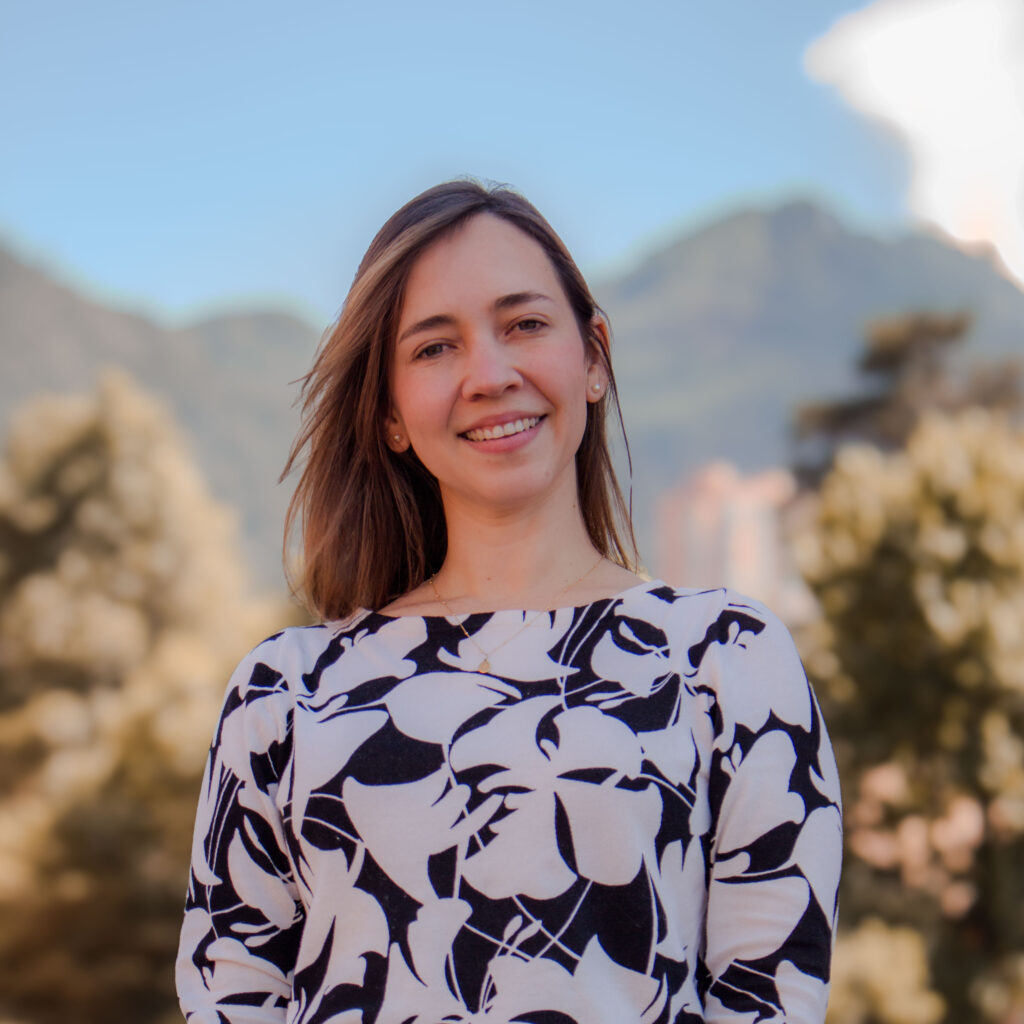
NATALIA BORRERO GUERRERO
Natalia Borrero Guerrero is the Leader of Planning and Learning at Fundación Corona, where she supports social mobility in Colombia through education for employment and citizen participation. She has 14 years of experience in the social sector, nine of them dedicated to strategic planning, initiative design, and monitoring and evaluation, and has led the definition and implementation of learning agendas while supporting initiatives with a systemic change approach.
She has held leadership roles at Fundación Corona since 2014 and complements her experience with training in impact measurement at Oxford and qualitative methods at NYU.
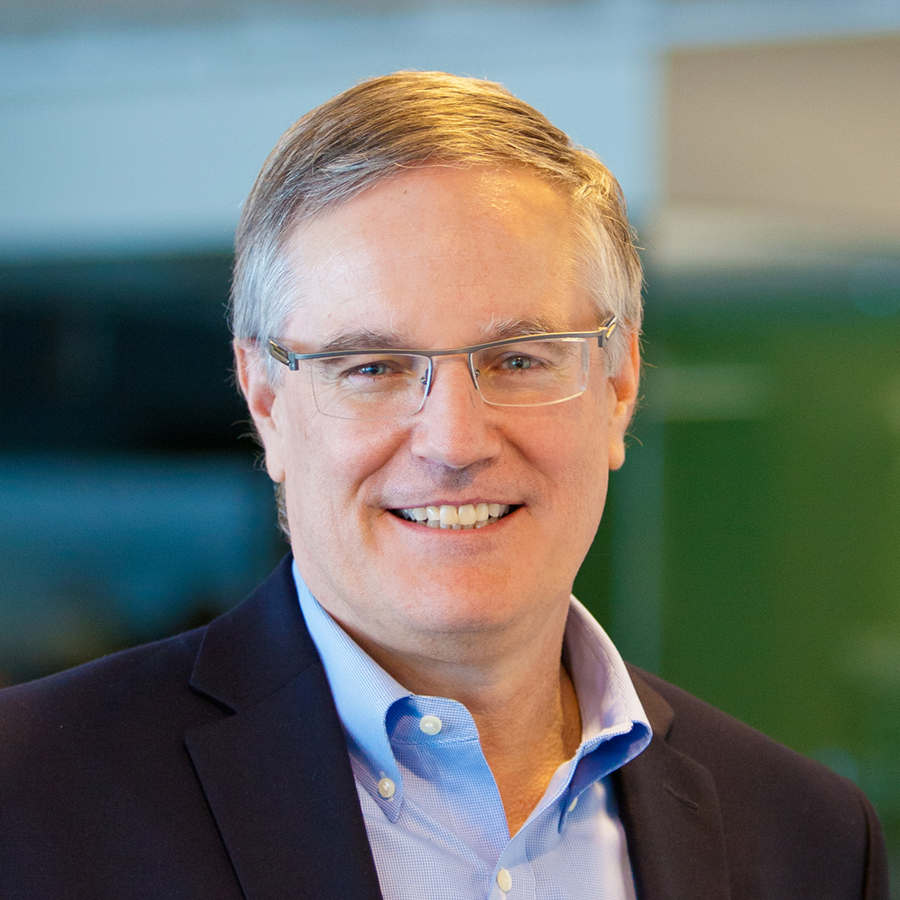
JEFF BRADACH
Jeff Bradach is the co-founder and former managing partner of The Bridgespan Group, a global nonprofit organization that collaborates with mission-driven leaders, organizations, and philanthropists to achieve breakthrough results in addressing society’s most important challenges and opportunities. Bridgespan works with social sector leaders to help scale impact, build leadership, advance philanthropic effectiveness, and accelerate learning through research and publishing.
Based in Bridgespan’s San Francisco office, Jeff advises leading nonprofits and philanthropists around the world. He writes and speaks extensively on nonprofit strategy, transformative scale, social-sector leadership, and philanthropy. His publications include: “The Problem with Color-Blind Philanthropy,” (Harvard Business Review, 2020), Racial Equity and Philanthropy: Disparities in Funding for Leaders of Color Leave Impact on the Table, (Bridgespan.org, 2020), Achieving Kindergarten Readiness for All Our Children: A Funder’s Guide to Early Childhood Development from Birth to Five, (Bridgespan.org, 2015), “Transformative Scale: The Future of Growing What Works,” (Stanford Social Innovation Review, 2014), “Scaling What Works: Implications for Philanthropists, Policymakers, and Nonprofit Leaders,” (Bridgespan.org, April 2009), “Delivering on the Promise of Nonprofits,” (Harvard Business Review, 2008), and “Should Nonprofits Seek Profits,” (Harvard Business Review, 2004). He is the author of the book, Franchise Organization, (Harvard Business School Press, 1998).
Jeff has served on numerous nonprofit and for-profit boards, including Giving Tuesday, PolicyLink, and Liberation Ventures. He is the former board chair of Independent Sector. Prior to establishing Bridgespan, Jeff taught at Harvard Business School, where he was a member of the Organizational Behavior and the Social Enterprise Initiative faculty. Jeff began his career at Bain & Company. He is a graduate of Stanford University and received his MA in sociology and PhD in organizational behavior from Harvard University.
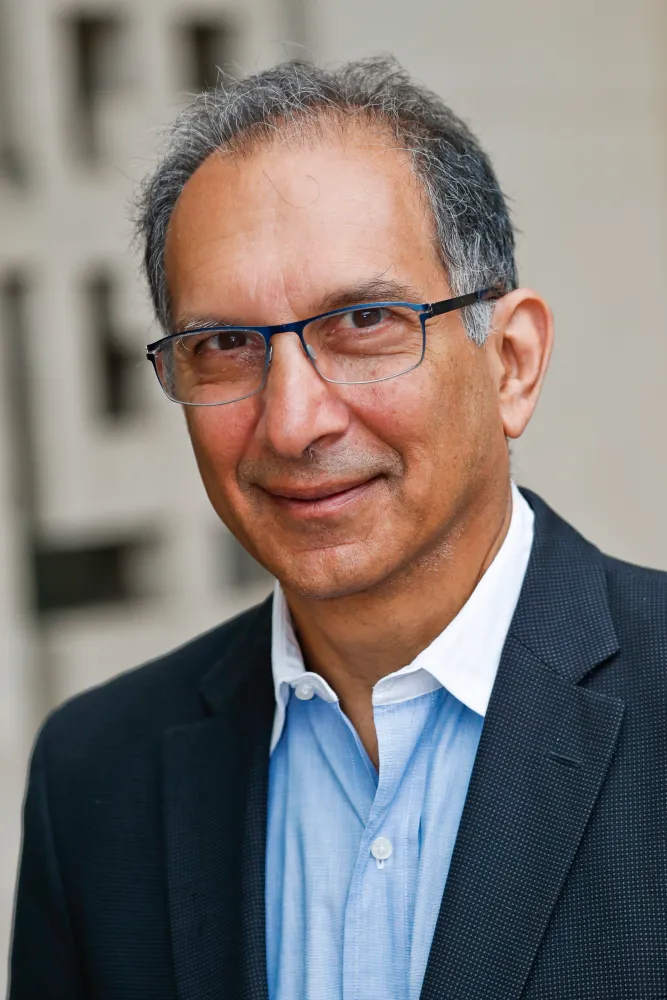
HOMI KHARAS
Homi Kharas is a senior fellow in the Center for Sustainable Development, housed in the Global Economy and Development program at Brookings. In that capacity, he studies policies and trends influencing developing countries, including aid to poor countries, the emergence of the middle class, and global governance and the G20. He previously served as interim vice president and director of the Global Economy and Development program.
He has served as the lead author and executive secretary of the secretariat supporting the High Level Panel, co-chaired by President Sirleaf, President Yudhoyono. and Prime Minister Cameron, advising the U.N. Secretary General on the post-2015 development agenda (2012-2013). The report, “A New Global Partnership: Eradicate Poverty and Transform Economies through Sustainable Development,” was presented on May 30, 2013.
His most recent co-authored/edited books are “The Rise of the Global Middle Class” (Brookings Press, 2023), “Breakthrough: The Promise of Frontier Technologies for Sustainable Development” (Brookings Press, 2022), “Leave No One Behind” (Brookings Press, 2019), “From Summits to Solutions: Innovations in Implementing the Sustainable Development Goals” (Brookings Press, 2018), “The Imperative of Development” (Brookings Press, 2017), “The Last Mile in Ending Extreme Poverty” (Brookings Press, 2015), “Getting to Scale: How to Bring Development Solutions to Millions of Poor People” (Brookings Press, 2013), “After the Spring: Economic Transitions in the Arab World” (Oxford University Press, 2012), and “Catalyzing Development: A New Vision for Aid” (Brookings Press, 2011). He has published articles, book chapters, and opinion pieces on global development policy, global trends, the global food crisis, international organizations, the G20, the DAC, and private philanthropy.
He has served as a member of the High Level Panel on the Reform of the Development Assistance Committee (2017); the International Panel Review Committee on Malaysia’s economic and governance transformation programs (2012); the post-Busan Advisory Group to the DAC co-chairs (2011); the National Economic Advisory Council to the Malaysian Prime Minister (2009-10); and a member of the Working Group for the Commission on Growth and Development, chaired by Professor A. Michael Spence (2007-10). He was a nonresident fellow of the OECD Development Center (2009). He has consulted for various organizations including the government of Sweden; World Bank Group; the United Nations; the International Fund for Agriculture Development; the OECD; the Japan International Cooperation Agency; the Global Fund Global Fund to Fight AIDS, Tuberculosis and Malaria; the Qatar National Research Fund; and the Centennial Group. He acts as an adviser to a number of organizations.
Prior to joining Brookings, Kharas spent 26 years at the World Bank, serving for seven years as Chief Economist for the World Bank’s East Asia and Pacific region and Director for Poverty Reduction and Economic Management, Finance and Private Sector Development, responsible for the Bank’s advice on structural and economic policies, fiscal issues, debt, trade, governance, and financial markets.
Presentations