This webinar will provide a peek behind the curtain at the internal practices of three major private funders as they seek to use their assistance to support sustainable outcomes at scale. Drawing on recent case studies of all three funders – part of a series of studies published by the Scaling Community of Practice – senior officials from the Gates Foundation, Co-Impact, and Echidna Giving will share candid reflections on their organizations’ internal strategies for supporting systemic change through their operational practices, partnership decisions, and funding priorities.
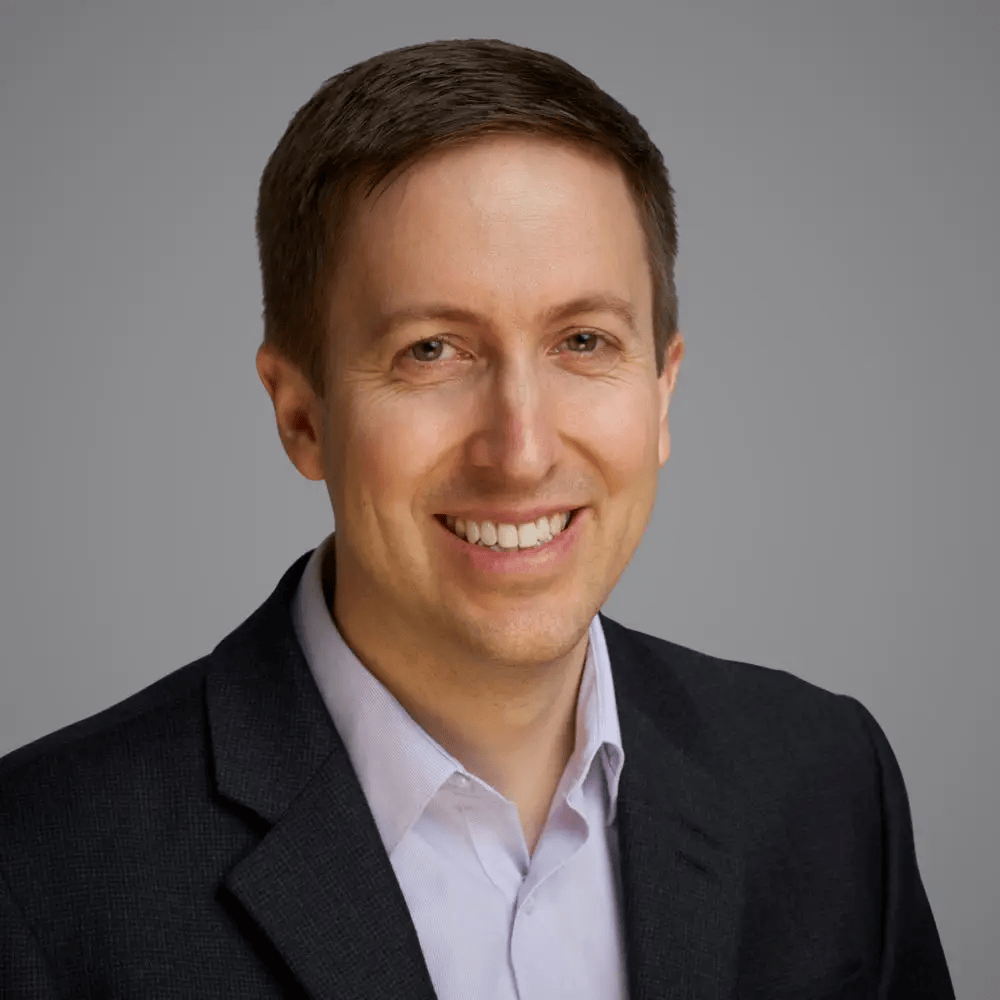
Abe Grindle
Director, Programs
Co-Impact
Bio
As a Director on Co-Impact’s Programs team, Abe helps to oversee the sourcing, vetting, structuring, and support of philanthropic systems change grants.
Prior to joining the Co-Impact team in 2017, Abe spent almost a decade with the Bridgespan Group, a nonprofit spinoff of Bain & Company. At Bridgespan, Abe directed teams advising leading philanthropists and NGOs operating in Africa, the Caribbean, India, and North America, helping them develop strategies to significantly scale their impact and improve their effectiveness, and to secure or deploy tens or hundreds of millions of dollars in philanthropy. He also co-founded and managed Bridgespan’s multi-year research initiative focused on the challenge of systems change, i.e., creating enduring solutions to social problems at the scale of need. As part of this effort, he authored and co-authored numerous publications, including Audacious Philanthropy: Lessons from 15 World-Changing Initiatives in the Harvard Business Review, among others.
Prior to Bridgespan, Abe worked in technology innovation and policy, spending time at the White House Office of Management and Budget, NASA, and the Massachusetts Institute of Technology. He also spent a year in rural Montana working with Native American youth of the Crow and Northern Cheyenne nations.
Abe received a M.S. in Technology and Policy from the Massachusetts Institute of Technology, where he also completed an M.S. in Aeronautics and Astronautics. Abe graduated summa cum laude with a B.S. in Aerospace Engineering from Saint Louis University. Since 2016, he has served on the Board of Directors of the Jesuit Volunteer Corps, a global nonprofit service program.
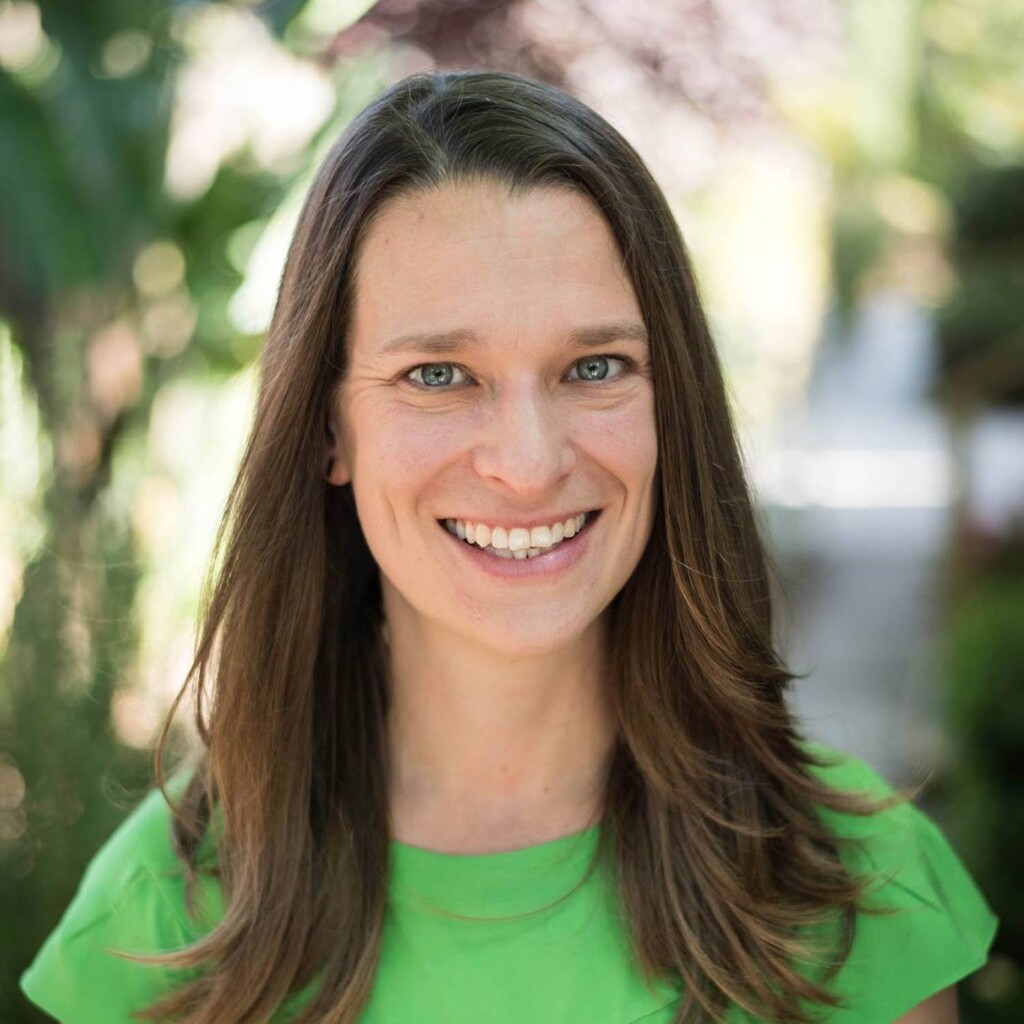
Dana Schmidt
Program Director
Echidna Giving
Bio
Dana is the Program Director for Echidna Giving, a private funder supporting the best ways to educate girls in lower-income countries so they can create a positive ripple effect in their families, communities, and nations. Before joining Echidna as its first full-time employee in 2016, Dana was a program officer at the William and Flora Hewlett Foundation, where she helped to develop and run a ten-year, $125 million grantmaking initiative to improve the quality of education that children receive in historically low- and middle-income countries.
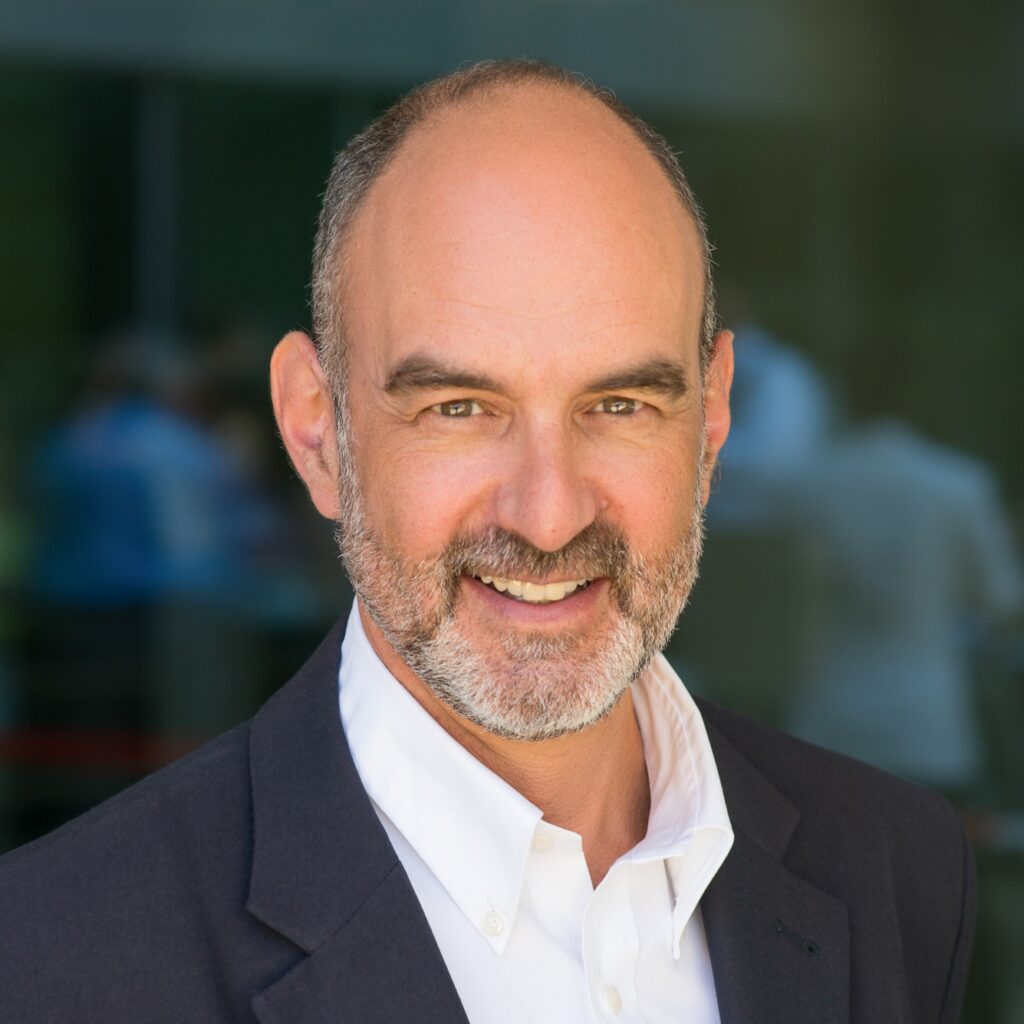
Simon Winter
VP, Reimagining Humanitarian Nutrition Security
RF Catalytic Capital
Bio
Simon started with RF Catalytic Capital (a public charity supported by Rockefeller Foundation) in August 2025 to lead a new initiative that looks to develop next generation integrated models to deliver resilient food and nutrition security in fragile regions. At the end of 2024, he founded Sustainable Agriculture Foundations’ International Association, to support the legacy Asia and African country organizations spun out of the Syngenta Foundation for Sustainable Agriculture (SFSA). He was SFSA Executive Director from 2017 to 2024, during which time SFSA saw a 5-fold increase in pre-commercial smallholder farmers supported. He joined from TechnoServe, where he had been SVP, Development, and led operations in sub-Saharan Africa. From 2015-2017, Simon was a Senior Fellow of the Mossavar-Rahmani Center at the Harvard Kennedy School. He serves on a range of boards including chair of the Dalberg Trust, the Scaling Community of Practice, and Griffith Foods Sustainability Advisory Council and is an Associate Director of Morphosis (an organization boosting investment in climate adaptation). His earlier career included positions at McKinsey & Co, a Ministry in Botswana, and Barclays Bank. A UK and German citizen, Simon holds a PhD in Economics from SOAS, London.
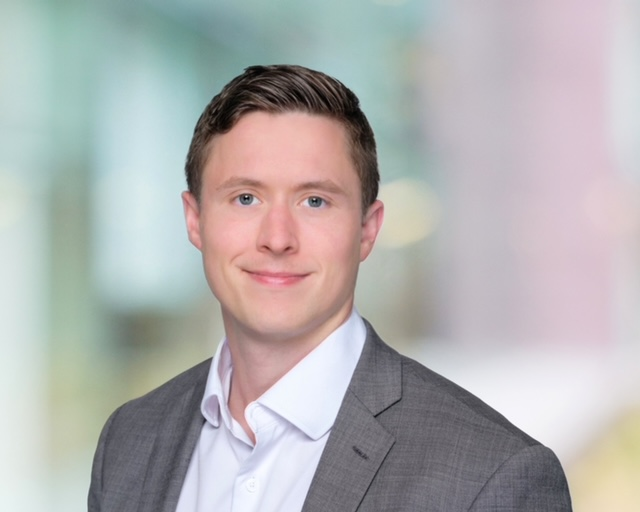
Matthew Eldridge
Climate and Development Finance Advisor
The Gates Foundation
Bio
Matthew Eldridge is a climate and development finance advisor at the Gates Foundation, where he helps build financing partnerships with multilateral development banks and development finance institutions to scale investment in climate-resilient food system solutions. He previously led a portfolio at Gates focused on climate finance policy and macroeconomics. Before joining the foundation, Matt worked at the nonprofit Urban Institute, where he led research on topics related to public financial management, impact investing, and results-based financing. Earlier in his career, he consulted on US banking and asset management regulation and held roles at the World Bank focused on aid effectiveness and the Bank’s Central Asia portfolio. He lives in New York City and holds degrees from Virginia Tech and the London School of Economics.
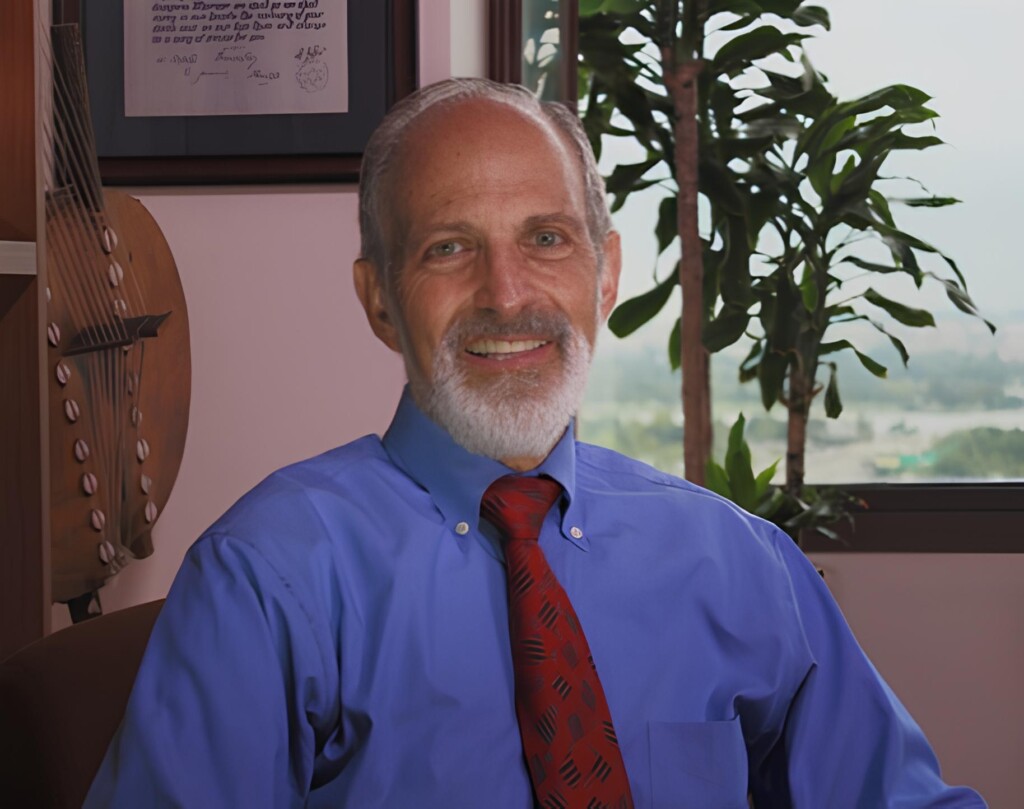
Larry Cooley
Co-Founder & Co-Chair
The Scaling Community of Practice
Bio
Larry Cooley is Founder and President Emeritus of Management Systems International and a specialist in managing large system change. He currently serves as Chair of the Governing Council of the Society for International Development and is the author of widely used methodologies for managing policy change, scaling innovation, entrepreneurship development, and results-based management. Larry is an elected Fellow of the U.S. National Academy of Public Administration and a non-resident senior fellow at the Brookings Institution; a Trustee of Elma Philanthropies; founder and co-curator of the Global Community of Practice on Scaling Development Outcomes, and Co-Chair of its Working Group on Monitoring and Evaluation.
Featured Discussion Questions
The following questions reflect the moderator-led discussion as they appear in the webinar transcript.
For Abe Grindle:
I want you to reflect, if you would for us a little bit, on Co-Impact’s journey. Now, unlike most of us who came to Scaling a little late and along the way, maybe in frustration with the project approach that we’ve taken, Co-Impact was really designed with scale as a principle on this. Now, tell us a little bit about what the implications of that were. What did you mean by scale and what did that mean for how you saw your own role?
Would it be fair to say that it’s using project or projects to produce something that’s no longer a project?
For Dana Schmidt:
Would it be fair to say that Echidna Giving didn’t necessarily start out with scale as its North Star, but has definitely moved toward that increasingly over time? And if that’s fair, what needed to change to make that happen? How did you actually drive that change internally?
For Simon Winter:
You had a little bit of a different vantage point on this in that you were taught, writing about and learning about Gates as you did this and you weren’t inside Gates. I’m wondering both, two things. One is, especially as you looked in from the outside, what really struck you and to what extent the fact that Gates is such a large foundation and so diverse in the things that it did influence the way it approaches scale or the way it approaches scale differently in different parts of the organization.
For Matthew Eldridge:
If you were looking at the same proposition from the inside, would you share the way Simon characterized it? And particularly, I’m interested in one piece of what he was talking about. I think it’s important, which is the stuff which is not maybe indeterminate in terms of outcome, which is trying to work with the various system players in this, the year that influence outcomes, but are not necessarily subject to the normal sort of project interventions.
And do you think, do you think the organization’s size relative to other foundations is material in that, or do you think it’s basically, if it were a third or 1/4 its size, it would probably do much the same thing, just less of it?
For Abe Grindle:
I’ll look in the rear view mirror here just a little bit. I happen to know you well enough to know you spent a long time at Bridgespan before you came to Co-Impact and one of the advantages that affords you is you’ve looked at a lot of other organizations besides your own who are going through these sorts of things. When you came into Bridge went into co-impact with the with that experience space, what struck you was as different or sort of distinguishing about the way Co-Impact was going at that? And does it feel like others are kind of getting that message or is it a kind of a secular learning process that everyone’s absorbing or is it still a dividing point between what most organizations do and what a few are starting to do?
For Dana Schmidt:
Take us kind of inside the tent a little bit on this. So I know you’re thinking in many ways parallels to stuff that Abe was just saying, but when you bring that inside and say, what does it mean internally for the way the foundation operates, who you hire or how you approve projects, what sorts of criteria you measure against. Give us a little bit of a flavor as to how this scaling mentality affects some or all of those things.
For Matthew Eldridge:
Stay on the theme I started you and Simon on before, which is the size and diversity of the Gates Foundation itself. When you look at it from that point of view, do you have a take on why and how these different program areas differ from one another in their approach to issues like the ones that Abe and Dana were talking about. Is it kind of just the history of each one or is it the nature of what they do? And to the extent there’s anything evolving that you might think of as internal learning or best practices, is there anything that either does exist or that you can imagine existing that would spread this more evenly or elevate the level of others inside the foundation?
For Simon Winter:
As you look at this from the outside in, did it seem to you like there were things that were missed opportunities within the foundation to, for one part to help another or to build on best practices?
Q&A 1 (all panelists):
This is really on risk management and the catalytic role of your foundation. So interesting to hear that these foundations generally view themselves as catalytic, but not ultimately responsible for scaling. If that is the case, who is responsible for scaling, and maybe an offshoot of that is aiming for just impact at scale rather than deep impact at scale could lead to investing in lower risk solutions that have large reach? I think we see this with some foundations. How much risk are foundations willing to take to support higher risk solutions that could deliver deeper impact initially at lower scale.
Is there a model where the donors and foundations have worked directly with governments in supporting them without the intermediaries in their efforts to catalyze funding and impact at scale? So what does that look like for systems change?
For Simon Winter:
And in this case, I’m interested in what others that you interviewed inside Gates said to you when you were asking them questions about this scaling approach and integrating it into what they do or what they might do. What did they come back with in terms of the constraints or the problems or just the challenges that they faced in trying to do that? And I’m interested, also, if you could put it into the same response, whether that rang true to you or whether you felt there was a certain amount of rationalization in that.
For Matthew Eldridge:
What is the way impact is measured, what people feel accountable for in what they do? Does that tend to drive people toward things where the attribution is closer, the kind of project model fits more easily and so on? And secondly, time span, what people think of as a typical relationship duration, and whether you’ve seen that to act as a deterrent to the way people engage around things, which in their heart of hearts they would know Scaling would take a more diffuse in a longer period of time.
For Dana Schmidt:
You perhaps more than, well, maybe Abe would be in a similar position, but you very much have a responsibility for driving this internal to your own organization. And trying to do that, what’s really struck you as the most binding constraints?
For Abe Grindle:
How does it look from your point of view?
Q&A 2 (all panelists):
How do we treat scaling challenge in a dynamic way? An intervention may be proven at a time and in a place, but over time, it will likely need to evolve. How does this scaling process take into account the need to equip host country institutions to ensure the implementation beyond fidelity to manage the inevitable and need to revise the core model and the approaches for its dissemination? I know that’s a huge area that the Scaling community is really parsing with. So I’d love to hear some of the insights from you guys.
What does the philanthropic sector as a whole, including your own foundation, most consistently get wrong about what it takes to achieve scale?
If you were going to leave our audience with kind of one major takeaway, what do you think is most important that well-intentioned people take away from the growing experience around scale and scaling?
Questions Submitted by Participants
The audience questions in this section are drawn directly from the webinar chat.
- Are any of these foundations using non-grant funding for scale?
- How can regional African institutions (like EVIHDAF) be part of this endeavour?
- If foundations see themselves as catalytic but not responsible for scaling, who is responsible for scaling?
- Do you see a difference between transactional vs. transformational scaling among international development actors?
- How much risk are foundations willing to take to support higher-risk solutions that could deliver deeper impact?
- What does the philanthropic sector most consistently get wrong about achieving scale?
- Is there a model where donors/foundations work directly with governments without intermediaries to catalyze scale?
- How often do you coordinate funding with non-philanthropy funders, and can you give examples?
- Do any philanthropies fund governments directly and help change administrative structures and culture?
- What is your approach to addressing political sustainability in scaling efforts?
- How do you envision the role of the United Nations in scaling efforts, and what are the collaboration challenges/opportunities?
- Are there strategies or lessons on how innovations scale within rigid government systems?
- Are there areas where it is easier to find the balance between impact, scale, and sustainability?
- How should scaling be treated dynamically as interventions evolve over time?
- How can scaling approaches ensure systems can adapt beyond the original model (“beyond fidelity”)?
- How do foundations balance scale with contextual relevance and community ownership?
- Should organizations aim for government ownership or government leadership?
- What skills are needed going forward given reductions in development financing?
- What happens when a foundation’s vision conflicts with a government’s vision?
- What tools are used to measure scaling?
- How do you engage with issues of power in development?
- What about social justice in scaling?
- Would you agree that working with governments is one of the key challenges for philanthropy?
Presentations
Relevant Links
Mainstreaming Scaling in Funder Organizations: A Synthesis Report