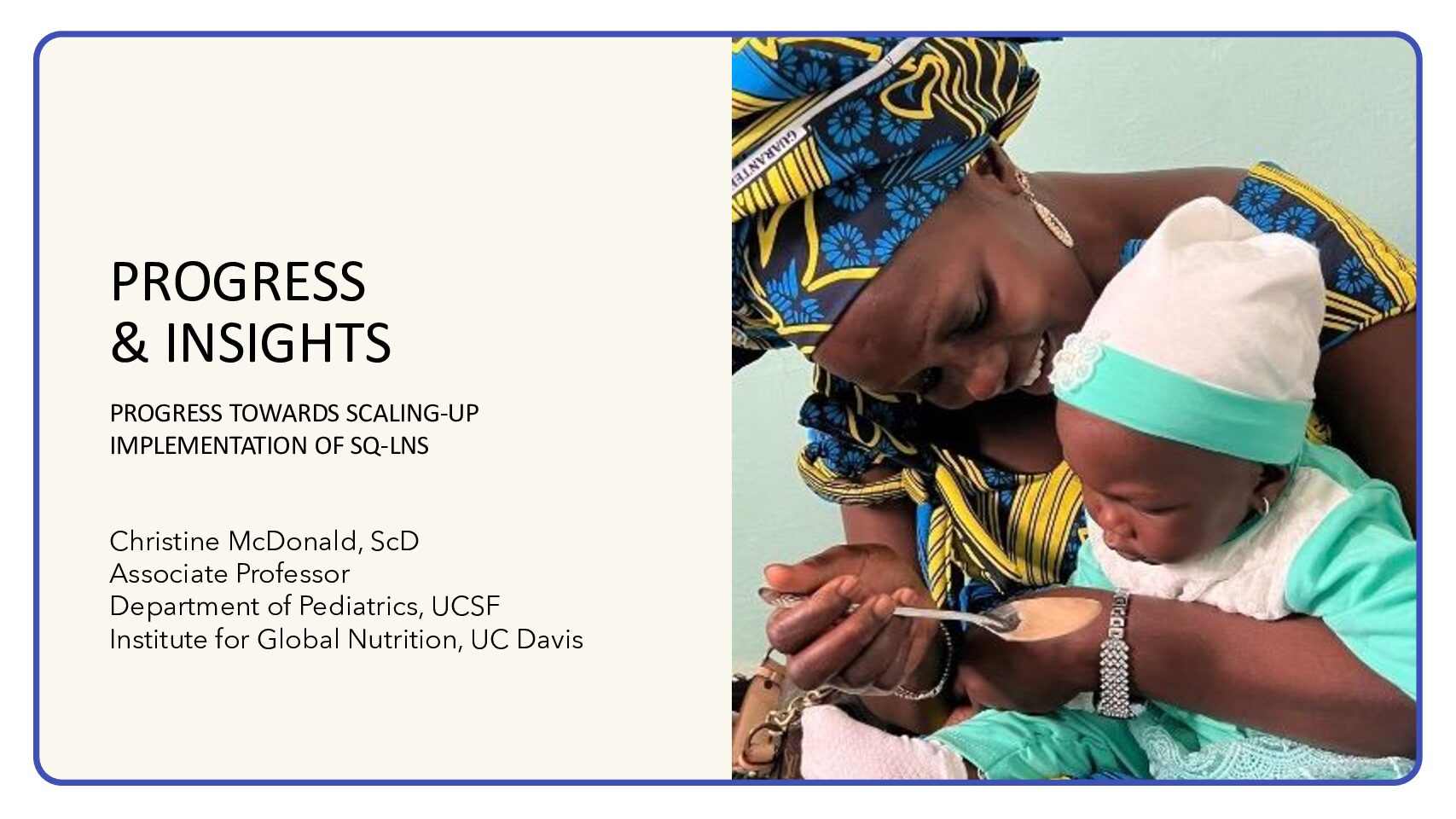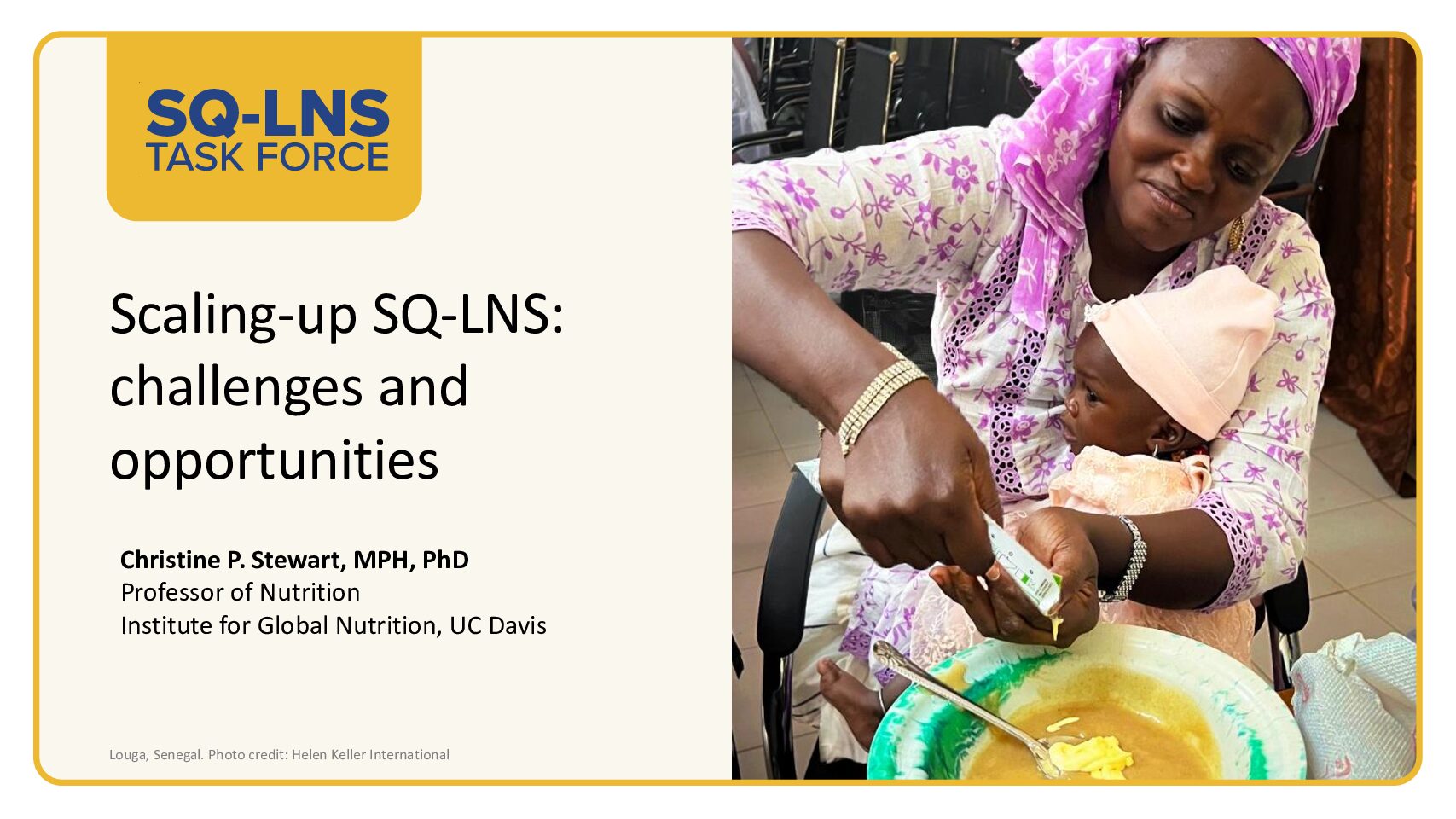
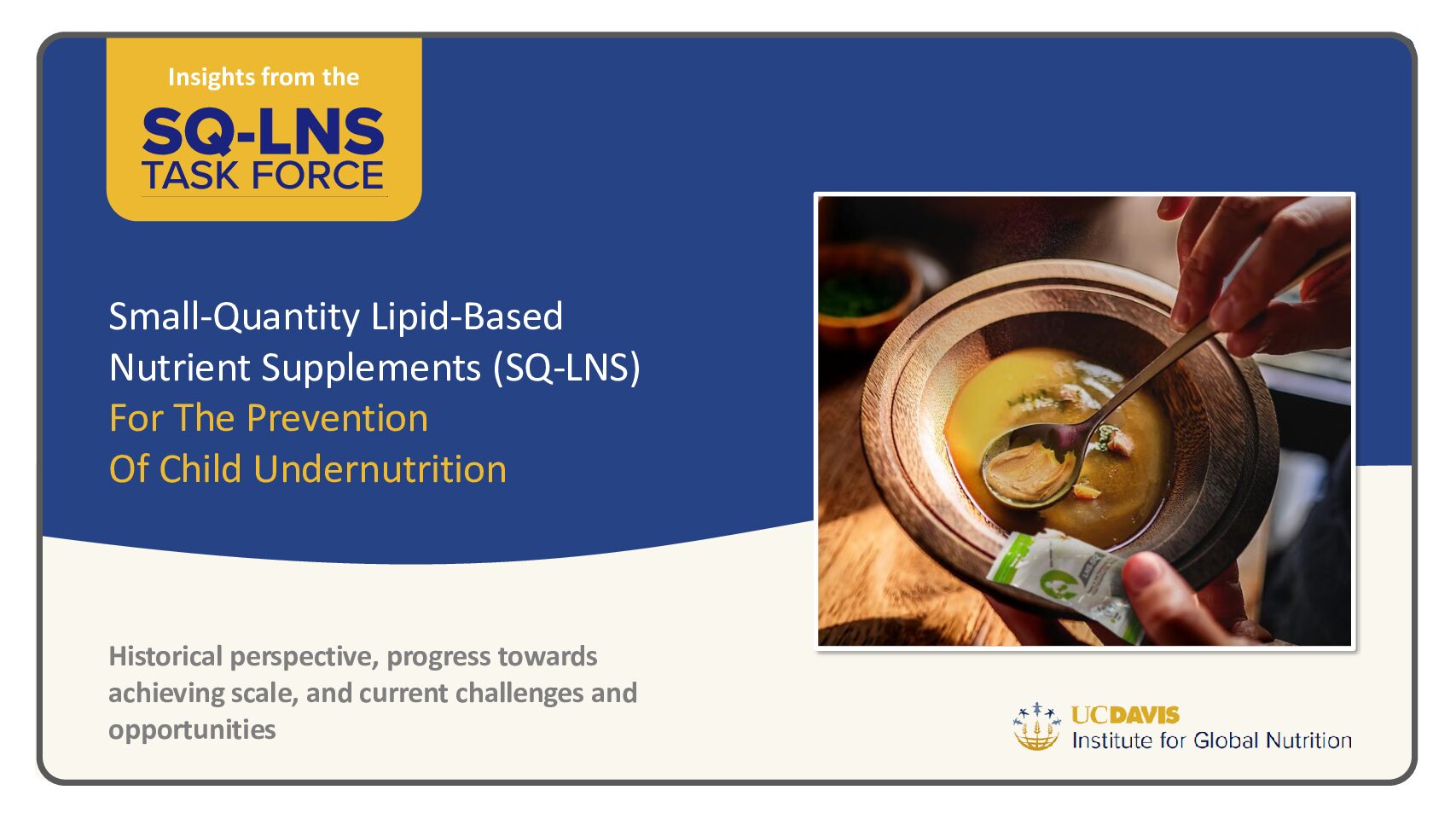
Small-quantity lipid-based nutrient supplements (SQ-LNS) are designed to prevent undernutrition among infants and young children in settings where vulnerable populations are likely to have nutrient gaps in their diets. Recent meta-analyses found that provision of SQ-LNS was associated with a 27% reduction in mortality, 31% reduction in severe wasting, 17% reduction in severe stunting, 64% reduction in iron deficiency anemia, and 16-19% reduction in developmental delays among children 6-23 months of age. The SQ-LNS Task Force was formed to catalyze efforts to scale-up SQ-LNS for the prevention of undernutrition among children 6-23 months of age in nutritionally vulnerable settings. SQ-LNS is now being delivered via various child health and nutrition programs in several countries. This presentation will review the rationale for the development of SQ-LNS, evidence supporting the efficacy of SQ-LNS in reducing child undernutrition, milestones achieved in scaling up SQ-LNS in nutritionally vulnerable settings, different potential delivery platforms for SQ-LNS, as well as an overview of the SQ-LNS Task Force. The presentation will be followed by a Q&A period, and a longer discussion on how SQ-LNS fits into the global nutrition and food systems landscape, and relevant operational research priorities.
The evidence for small quantity lipid-based nutrient supplements (SQ-LNS) is irrefutable. With a benefit-to-cost ratio of almost 14 to one, SQ-LNS can reduce stunting, wasting, anaemia, vitamin A deficiency, and all-cause child mortality. Since 2024, SQ-LNS has been included in WHO guidelines, the World Bank’s Investment Framework for Nutrition, and the Child Nutrition Fund. The last of these, the Child Nutrition Fund, is a financing mechanism that enables countries like Nigeria and Burkina Faso to procure SQ-LNS at scale for the first time.
Due to contracting budgets, the political default is shifting towards treatment over prevention. So, despite being cost-effective at about USD 50 per child per year, SQ-LNS is struggling to secure funding for scaling. Meanwhile, the restructuring of major technical organizations has created real risks, such as loss of expertise, stalled momentum, and duplication of effort. Coordinating bodies like the SQ-LNS Task Force can mitigate some of these risks.
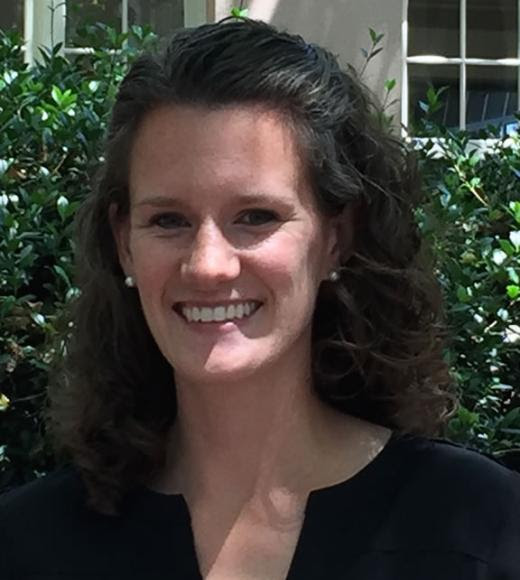
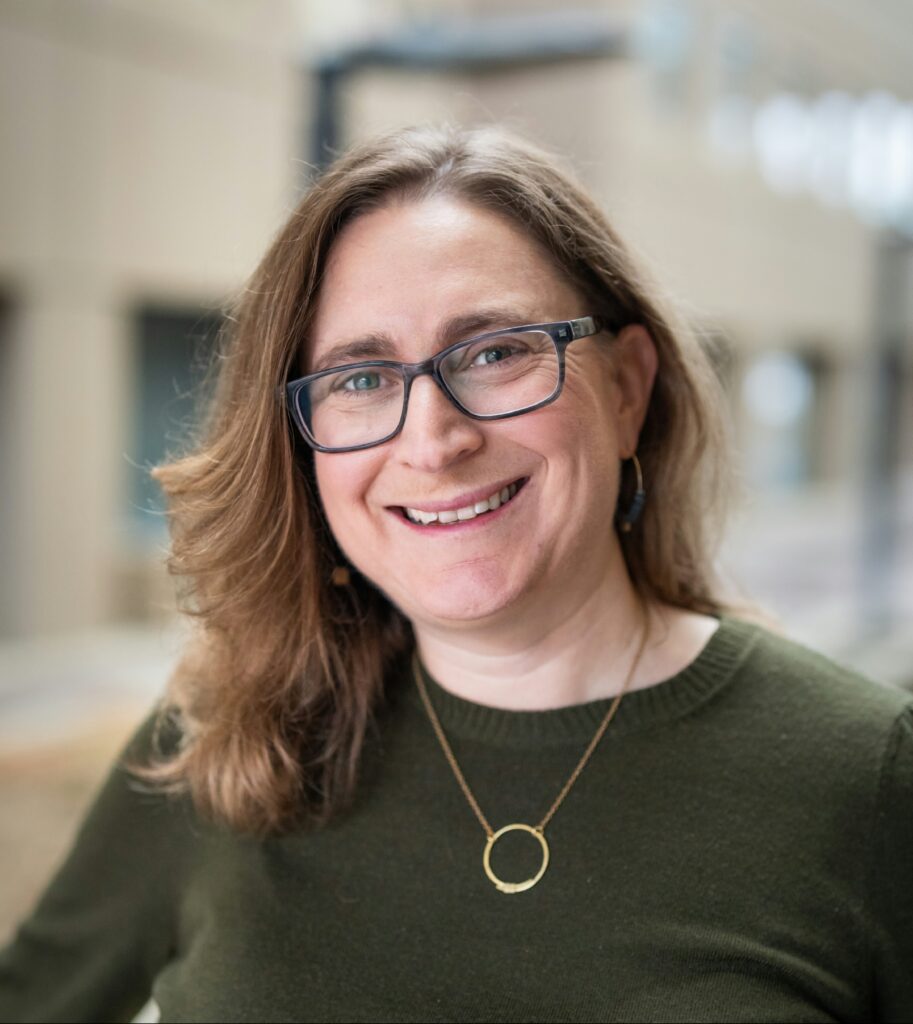
The SQ-LNS Task Force is a multistakeholder coordination platform to scale the use of SQ-LNS globally. Kathryn Dewey, Christine McDonald, and Christine Stewart of the University of California at Davis presented the Task Force and the two core challenges that define its raison d’être: financing and fragmentation. The Task Force is building delivery platforms that can be sustained through government systems, improving cost-effectiveness to survive constrained budgets, and coordinating across a fragmented funder landscape. SQ-LNS function as an “incentive anchor.” It can draw caregivers to health posts, improving uptake of vaccinations, wasting screening, and other services. This framing could allow SQ-LNS to unlock co-financing from other sectors, improving the financial outlook and reducing fragmentation. Nigeria’s programmatic scale-up, targeting 2 million children with locally sourced SQ-LNS through the Child Nutrition Fund, was offered as early proof of what country-led, multi-partner scaling can look like when the conditions are aligned.
Kathryn Dewey
Professor Emerita
University of California, Davis
Bio
Dr. Kathryn Dewey is a Distinguished Professor Emerita of Nutrition at the University of California, Davis. She was a co-founder of the UC Davis Program in International and Community Nutrition (now the Institute for Global Nutrition) and served as its Director from 2007 to 2018. Her main area of expertise is maternal and child nutrition in vulnerable populations, with an emphasis on interventions to prevent malnutrition during the first 1000 days. She has led research projects in the United States, Mexico, Costa Rica, Honduras, Guatemala, Peru, Ghana, Malawi, and Bangladesh. She has served on several advisory and guideline development groups for the World Health Organization, the World Bank, FAO, and other organizations, as well as on the Board of Directors for the Global Alliance for Improved Nutrition.
Christine McDonald
Associate Professor
University of California, San Francisco
Bio
Dr. Christine McDonald is an Associate Professor in the Departments of Pediatrics, and Epidemiology & Biostatistics at the University of California, San Francisco. She conducts research in global health nutrition with an emphasis on the design and evaluation of interventions to prevent and treat maternal and child undernutrition in resource-limited settings. She served as Director of the International Zinc Nutrition Consultative Group (IZiNCG) and currently coordinates the work of the SQ-LNS Task Force.
Christine Stewart
Professor
University of California, Davis
Bio
Dr. Christine Stewart is a Professor of Nutrition and Director of the Institute for Global Nutrition at the University of California, Davis. Dr. Stewart’s research focuses on the design and evaluation of nutrition and health interventions for women and young children in low-income communities. She examines the effects of these interventions on growth, health, and development throughout the life course. She utilizes primarily community-based randomized controlled trials, longitudinal studies, and meta-analyses to synthesize evidence to inform improvements in programs or policy. She collaborates extensively with multi-disciplinary and multi-national teams and has had projects in Kenya, Malawi, Madagascar, Bangladesh, and Ecuador.