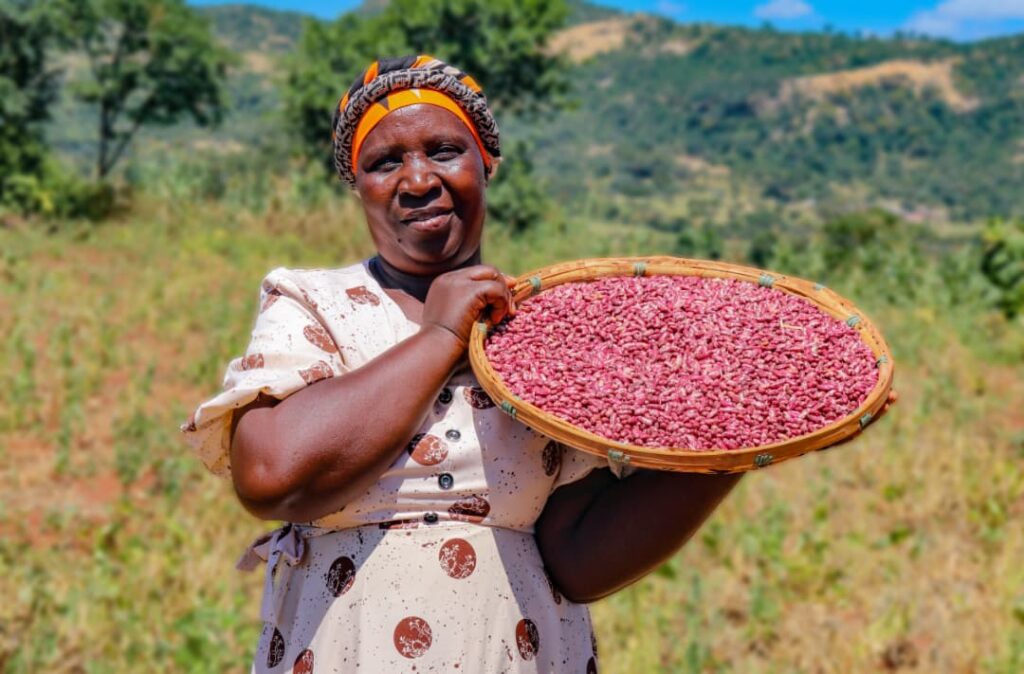
Zimbabwe faces a significant burden of micronutrient deficiencies, particularly iron deficiency. Approximately 72 percent of children aged 6–59 months and 61 percent of women of reproductive age are affected by iron deficiency. Recognizing the need for sustainable, food-based approaches, the Government of Zimbabwe adopted biofortification as one of its key strategies to improve nutritional outcomes. As part of efforts to address these challenges, Zimbabwe’s Crop Breeding Institute (CBI) released its first iron-biofortified bean variety, NUA45, in 2010. This large, red-mottled ...
Session Blurb Summary Speakers Recording Additional Resources Small-quantity lipid-based nutrient supplements (SQ-LNS) are designed to prevent undernutrition among infants and young children in settings where vulnerable populations are likely to have nutrient gaps in their diets. Recent meta-analyses found that provision of SQ-LNS was associated with a 27% reduction in mortality, 31% reduction in severe wasting, 17% reduction in severe stunting, 64% reduction in iron deficiency anemia, and 16-19% reduction in developmental delays among children 6-23 months of age. The ...
For decades, maize has been the Nigeria’s most consumed staple, eaten in forms ranging from tuwo and pap to roasted or boiled corn on the roadside. Yet, despite this dietary reliance a persistent exists a vitamin A deficiency, which affects millions of children and women, weakening immunity, impairing vision, and increasing vulnerability to disease. To address this, HarvestPlus and its partners introduced vitamin A maize (VAM), a biofortified crop developed through conventional breeding to contain higher levels of vitamin A ...
As Africa faces a growing nutritional crisis alongside the challenges of climate change, rapid urbanization, and population growth, the Comprehensive Africa Agriculture Development Programme (CAADP) is taking a bold step into its third decade with a renewed focus on nutrition. In an ambitious forward-looking prioritization, CAADP’s leaders and member states are increasingly advocating for “nutrition-sensitive” Agri food systems and agricultural investments that prioritize the quality, not just quantity, of the food produced and consumed across the continent. This is responding ...
Description After being dormant for a few years, the Nutrition Working Group re-launched with a discussion on scaling nutrition interventions, focusing on the private sector. Charlotte Lane set the stage, challenging the status quo of hyper-localized, small-scale nutrition initiatives and advocating for a paradigm shift towards large-scale, impactful solutions. Her opening remarks underscored the opportunity to leverage the private sector's reach and efficiency to meet the nutritional needs of millions but indicated that mistrust and miscommunication may inhibit effective collaboration ...
By Feed the Future Food Systems for Nutrition Innovation Lab, foodsystemsnutrition@tufts.edu Smallholder farmers, typically characterized by limited resources and production capacities, play a significant role in global food production. However, smallholder farmers in low-income countries face particular challenges that include low productivity, limited access to markets, and disproportionate vulnerability to climate change. There is a critical need to ensure that nutrient-rich foods produced around the world survive all the way to potential consumers. Good human nutrition and health depend on ...