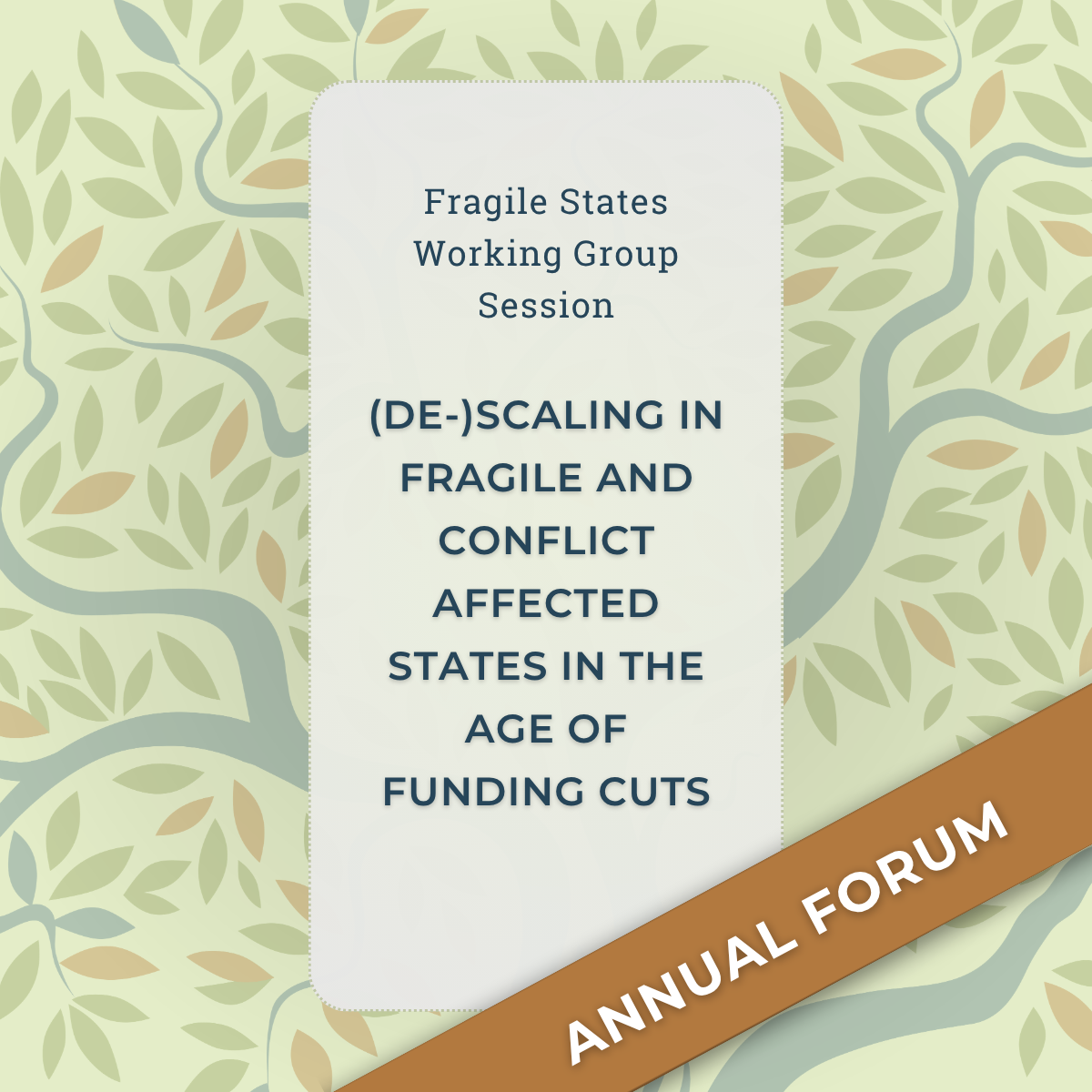
Across Africa, education innovators, funders, and implementers increasingly agree that government adoption is the only credible pathway to scale. Yet most sector conversations still treat “government” as a black box—engaged at moments of approval rather than understood as a complex system with its own incentives, constraints, and decision-making rhythms. As bilateral aid contracts and governments become the primary stewards of education reform, this gap in understanding has become one of the biggest barriers to sustainable impact.
This session pulls back the curtain on how education ministries actually function. Anchored in a real-world case study from Zanzibar—recently featured in the Stanford Social Innovation Review—the webinar combines grounded evidence, an in-depth government perspective, and participant reflection. The session is designed to help innovators, funders, and practitioners move beyond abstract calls for “government ownership” and toward a more realistic, operational understanding of how decisions about teacher training, innovation adoption, and system reform are made in practice—and what that means for how programs are designed day to day.

Molly Curtiss Wyss
Assistant Project Director
The Brookings Institution
Bio
Molly Curtiss Wyss is a Senior Project Manager and Senior Research Analyst at the Center for Universal Education (CUE) at the Brookings Institution. As a member of the Millions Learning team since 2017, Molly’s work focuses on issues related to scaling and sustaining quality education innovations and initiatives for all children and youth in low- and middle-income countries. Her recent publications include “Scaling impact in education for transformative change: Practical recommendations from the Real-Time Scaling Labs,” and “Adapting, innovating, and scaling foundational learning: Four lessons from scaling Teaching at the Right Level in Botswana.” Prior to Brookings, Molly worked as a research consultant for the Global Business Coalition for Education and Theirworld, a global children’s charity committed to ending the global education crisis. She holds an M.S. in Human Rights from the London School of Economics and Political Science and a B.A. in International Relations from Carleton College.
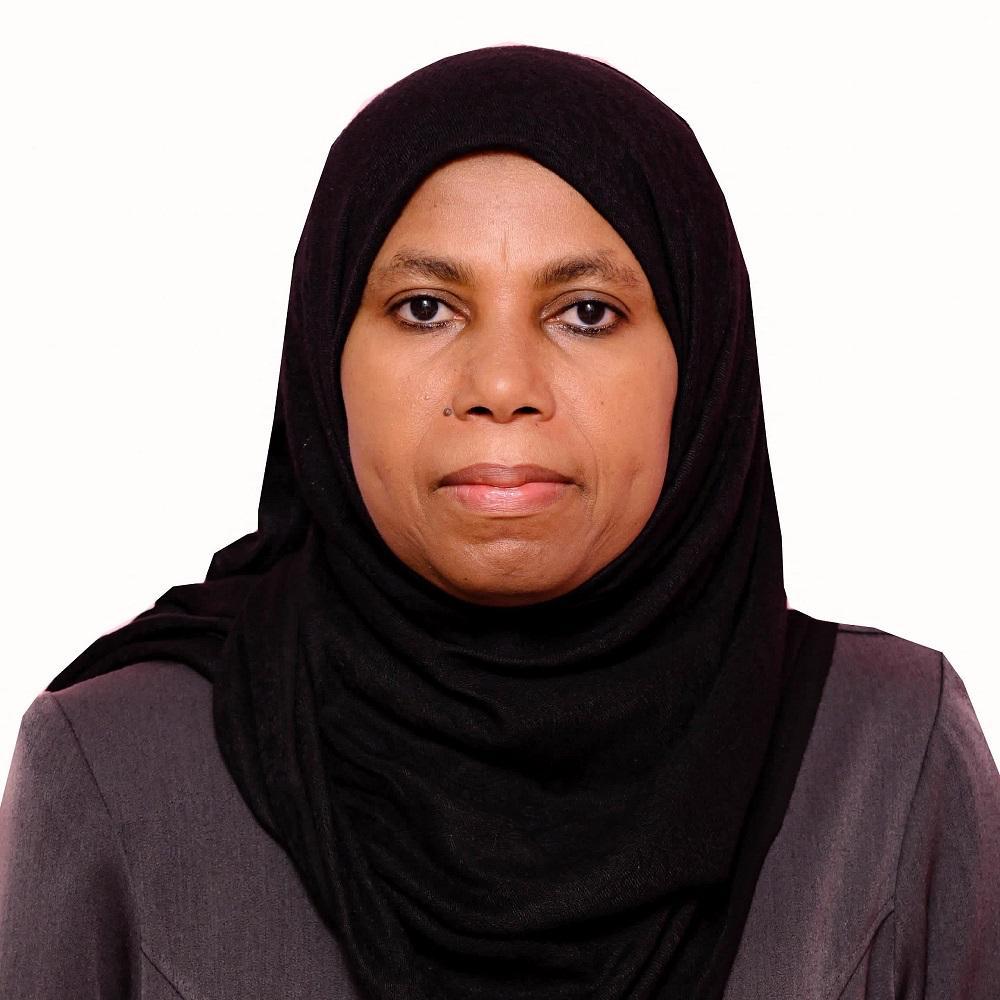
Dr. Mwanakhamis Adam Adeir
Deputy Principal Secretary (Academic)
Ministry of Education and Vocational Training, Zanzibar
Bio
Dr. Mwanakhamis Adam Ameir currently serves as Deputy Principal Secretary (Academic) at the Ministry of Education and Vocational Training, Zanzibar. She is an experienced educationist with over 25 years of professional service in the education sector. Through her leadership, Dr. Mwanakhamis is strongly committed to advancing educational reform within Zanzibar’s education system, with a focus on quality delivery, institutional strengthening, and the effective implementation of education policies.
Dr. Mwanakhamis has built a dynamic career that began in the classroom as a teacher and progressed through academic roles as a Tutorial Assistant, Assistant Lecturer, and later Lecturer at the State University of Zanzibar (SUZA). Prior to her appointment as Deputy Principal Secretary in 2022, she served as a teacher educator, teaching a wide range of education courses, and worked as a research supervisor and examiner for education research projects. She also served as Coordinator of the Teaching Practice Unit and as a member of the School of Education Board at SUZA. Her contributions extend to the international arena. For six years, she was a member of the Learning and Technology Research Unit (LET) at the University of Oulu, where she focused on innovative approaches to teaching and learning in educational settings.
Dr. Mwanakhamis holds a Bachelor of Arts in Education from the State University of Zanzibar (2005), a Master’s degree in Education from the University of Melbourne, Australia (2009), and a Ph.D. in Education from the University of Oulu, Finland (2020). She currently plays a vital role as Chairperson of the Education Reform Supervision Team at the Ministry of Education and Vocational Training, Zanzibar.
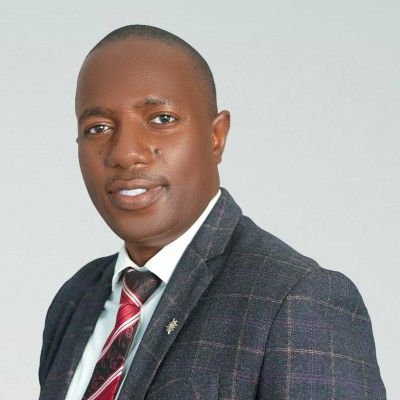
Jackson Mahenge
Government Relations Director
Elimu-Soko
Bio

Dr. Muna Ngenda
Deputy Director
Elimu-Soko
Bio
Dr. Muna Ngenda is Deputy Director at Elimu-Soko, where he shapes strategy and ecosystem engagement to advance inclusive, politically informed education reform. Muna brings deep experience in policy design, institutional reform, and governance as a political economist and systems thinker. He previously served as Associate Director at the Future Africa Group and Project Manager at Dalberg, leading work on industrialization, trade, and youth economic empowerment. Muna holds a PhD in Politics and International Studies from SOAS, an MSc in African Development from LSE, and an MA in Economics from Temple University
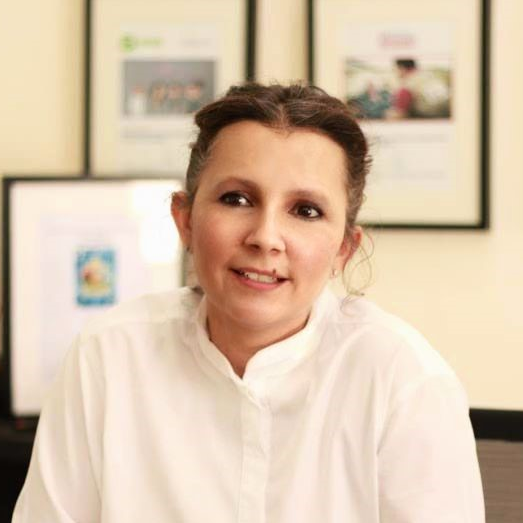
Nedjma Koval
Founder and Chief Executive Officer
INTEGRATED International
Bio
Nedjma Koval-Saifi is a development practitioner and founder of Integrated International, a Research, Monitoring, Evaluation and Learning-specialized firm, working to maximize the impact of development programs throughout the Middle East and North Africa (MENA) region. With a passion for seeking solutions that can leapfrog development challenges, and a focus on increased utilization of data to influence policy, program design and improved development outcomes, Nedjma specializes in testing models of Arabic literacy. Her work has been published and showcased in fora such as the Annual Grand Challenge Meeting 2017, UNESCO Mobile Learning Week 2018, and CIES Conference 2019. Based in MENA, Nedjma Koval-Saifi is an active advocate of the research agenda of the Global South, and joined the Scaling Community of Practice 2019-2020 as Global South fellow, and is current Co-Chair of the Education Working Group of the Scaling Community of Practice. She holds an MA and is pursuing a PhD in Development Economics from the Fletcher School of Law and Diplomacy at Tufts University, and BA in Economics from George Washington University. She is the current Chair of the Fulbright Commission in Jordan, Board member of the Abdel Hamid Shoman Foundation and Microfund for Women, and a Steering Committee Member at Ministry of Education – Jordan for Evidence-Based Decision-Making for Policy