In many fragile states, traditional scaling avenues through government services are under severe strain as foreign assistance contracts and national budgets tighten. This dynamic is reshaping how essential services are delivered. Many have proposed the private sector as a potential solution to the withdrawal of foreign assistance. Private firms can bring investment, expertise, jobs, and service delivery. But, their presence in fragile settings remains limited and often requires targeted support and blended finance to mitigate high risks.
This discussion will explore real-world experiences of loss of aid funding, shifting roles of governments, and where private sector participation shows promise—or still faces barriers—in delivering scalable, sustainable outcomes in fragile contexts. We will hear on the ground experiences from Haiti and the Central African Republic about how programs are being reshaped and their successes (and struggles) in bringing in the private sector.
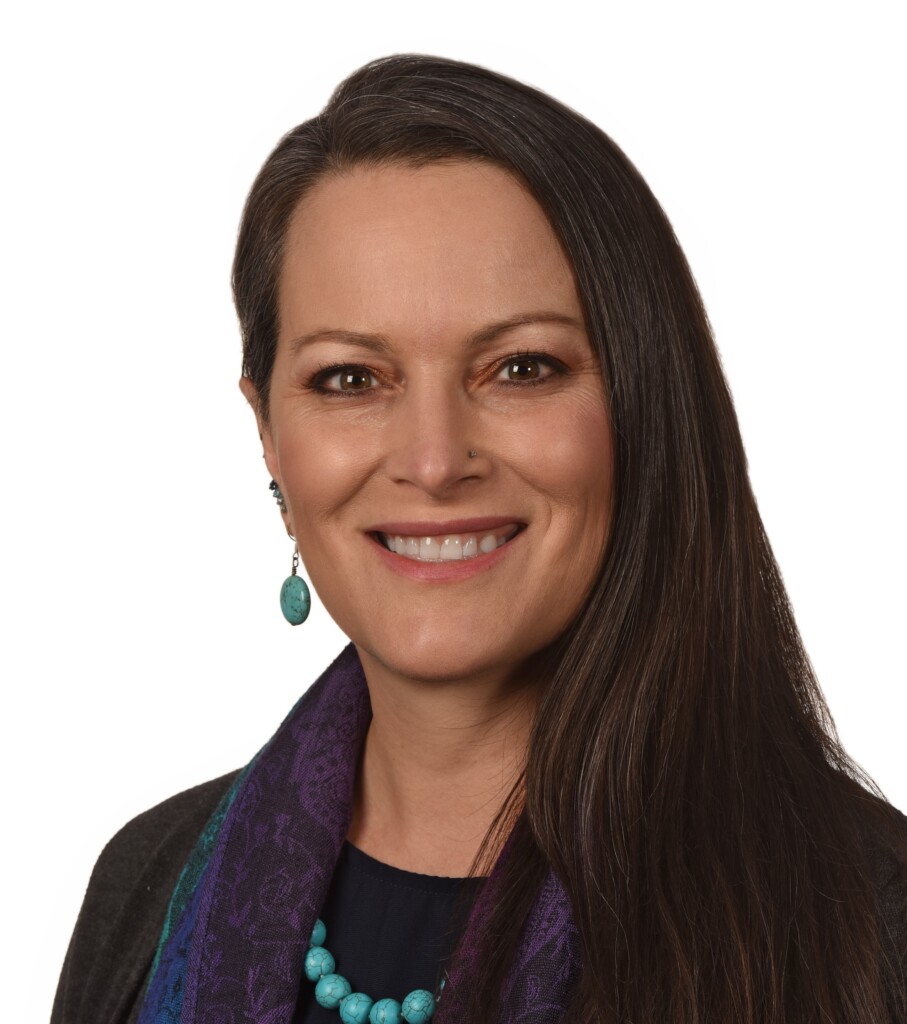
Kris Inman
Technical Director for Strategy, Performance, and Learning
Social Impact
Bio
Dr. Kris L. Inman is a senior leader and subject matter expert in democracy, governance, conflict stabilization, and violent extremism prevention and disengagement in fragile states. With over 15 years of experience advancing peace and justice in complex environments, she specializes in evidence-based strategy, systems change, scaling, and sustainability.
Dr. Inman currently serves as Technical Director for Strategy, Performance, and Learning at Social Impact, where she leads conflict and democracy-related work and provides strategic guidance on peace, stabilization, and democracy interventions for international development and U.S. government clients. Previously, she held leadership roles at the U.S. Institute of Peace, Catholic Relief Services, and USAID-funded initiatives, where she designed and managed large-scale research, policy, and implementation programs in Africa, the Middle East, and beyond.
A recognized thought leader, Dr. Inman has briefed policymakers at the U.S. Congress, State Department, Department of Defense, and the Defeat ISIS Coalition, and has served as an advisor to USAID on fragile states and counterterrorism strategies. She has led evaluations of multi-million complex programming, including the world’s largest democracy program in Ukraine, and oversaw USAID’s terrorism risk and resilience assessment in West Africa, which informed US strategy and programing design in the region.
Dr. Inman has been a member of the global scaling community since 2020, previously serving on the Executive Committee’s Resource Mobilization sub-Committee and representing Catholic Relief Services on the EXCOM. She holds a Ph.D. in Political Science from the University of California, Davis, and has held faculty appointments at Georgetown University, Johns Hopkins SAIS, and the University of Southern California, where she teaches on conflict, security, and politics in Africa.
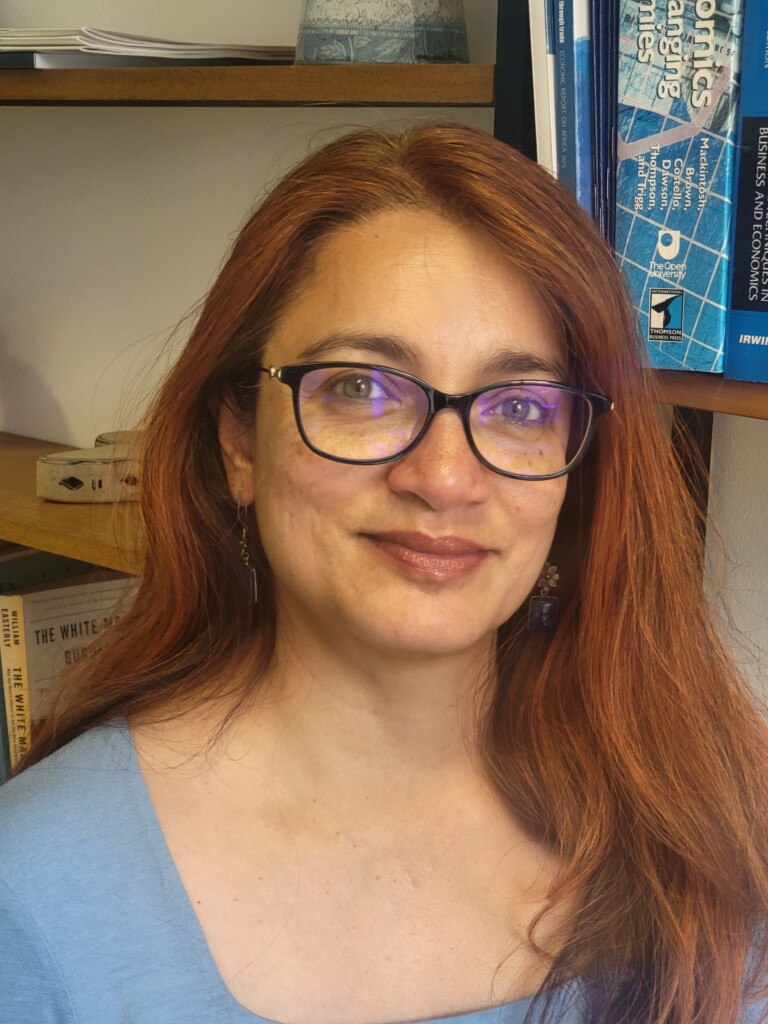
Pallavi Roy
Professor
SOAS, University of London
Bio
Pallavi Roy is a Professor in Political Economy at SOAS University of London. Her research is on the application of institutional economics and in particular the political settlements framework to governance and anti-corruption, and the political economy of late development. She is Co-Director of the Foreign Commonwealth and Development Office’s (FCDO) £6 million Anti-Corruption Evidence (ACE) research partnership consortium working primarily in Bangladesh and Nigeria. She is also the Co-Principal Investigator on an FCDO-funded programme on generating evidence for fostering inclusive growth in Nepal. She has worked across sectors and developing countries and has extensive experience of working with funders and research organizations like the UK’s Foreign Commonwealth and Development Office, World Bank, UNESCAP, Agence Francaise de Developpement, BRAC Institute of Governance and Development (Bangladesh) and is a visiting faculty member at the International Anti-Corruption Academy in Laxenberg, Austria.

Robert Chase
Practice Manager
The World Bank
Bio
Robert S. Chase is Practice Manager for Social Policy in the World Bank’s West Africa Region. In that role, Rob has responsibility for a portfolio that supports vulnerable people, households and communities, promoting resilience with social safety nets, community-driven development and #Jobs_Now programs for women, youth and displaced peoples. Working in countries from Sierra Leone to the Republic of Congo, his team seeks to strengthen the humanitarian-development nexus, collaborating with Governments, humanitarian actors and bilateral development agencies to provide urgent support in crises and build shock responsive social protection systems.
Prior to joining the World Bank, he was a member of the economics faculty of Johns Hopkins School for Advanced International Studies (SAIS), coordinating the development economics program. With this background and with the efforts around the development community to scale up impacts, he serves as Co-Chair of the Fragile States Working Group in the Scaling Up Community of Practice.
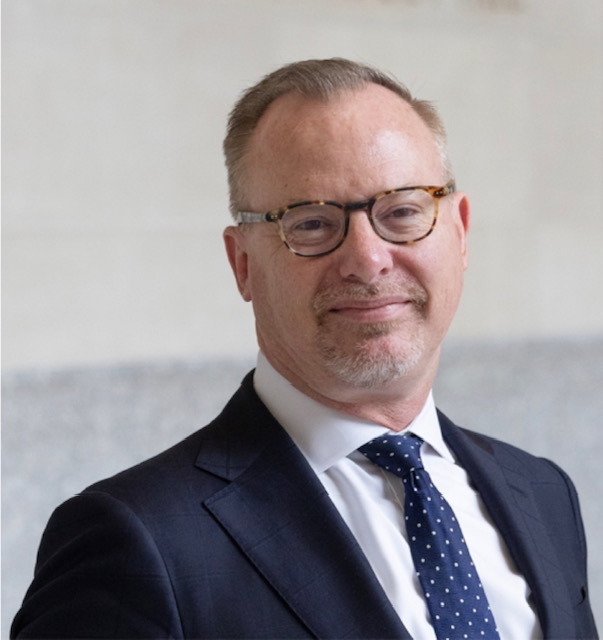
Rob Jenkins
Strategic Advisor
USAID (formerly)
Bio
Robert W. Jenkins is a strategic advisor and former senior executive at the U.S. Agency for International Development (USAID), where he served for more than 26 years in leadership roles spanning crisis response, stabilization, and foreign assistance reform. As Assistant to the Administrator, he led the creation of USAID’s Bureau for Conflict Prevention and Stabilization, overseeing a $300 million portfolio across 35+ countries. He previously directed multi-billion-dollar humanitarian and conflict portfolios and managed large interagency initiatives in complex, high-risk environments. Jenkins was the Director of the Office of Transition Initiatives for eight years and now advises senior leaders on organizational transformation, governance reform, and strategy in an era of geopolitical disruption.
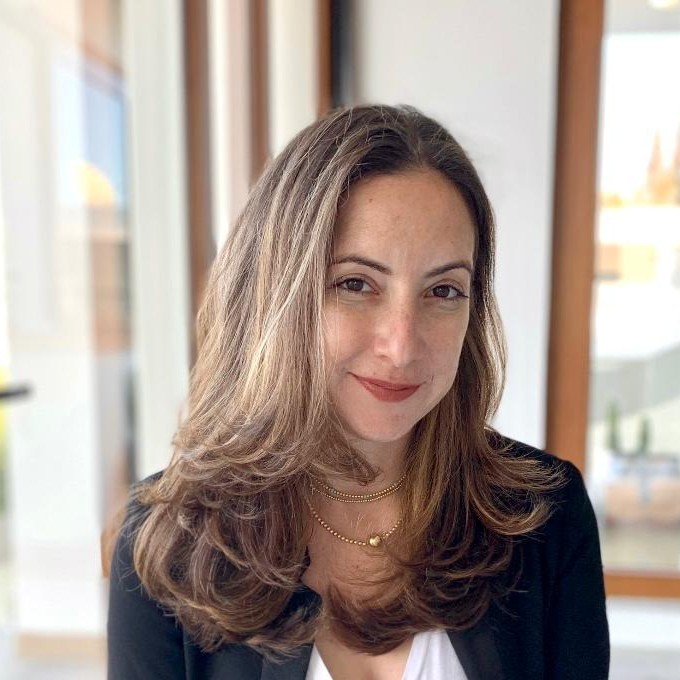
Ivy Kuperberg
Country Officer, Haiti
International Financial Corporation
Bio
Ivy Kuperberg is the Country Officer for Haiti at the International Financial Corporation, working on sourcing key investments for Haiti in the renewable energy, agriculture and healthcare space as well as supporting key advisory work in horticulture and digital financial services. Before joining IFC, she worked on impact investments and upstream initiatives in West and Central Africa, as well as promoting Partnerships and Foreign Direct Investment for Latin America and the Caribbean. Kuperberg holds a post-graduate degree in the field of International Relations from Harvard University and an undergraduate degree in History from Rice University.

Bumi Camara
Chief Fragility Economist
African Development Bank
Bio
Mr. Bumi Camara is a Development Economist with over 20 years of experience spanning academia, central banking, and international development practice. He currently serves as the Chief Fragility Economist at the African Development Bank (AfDB), following five years as a Senior Country Economist within the institution. His previous professional engagements include roles as an Economist at the World Bank, Director of Research and Consultancy at the University of The Gambia and the Management Development Institute (MDI), as well as Senior Banking Officer at the Central Bank of The Gambia. Mr. Camara holds a PhD in Economics from the University of Goettingen in Germany. He also earned master’s degrees from Williams College in Massachusetts, USA, and the University of Malawi.